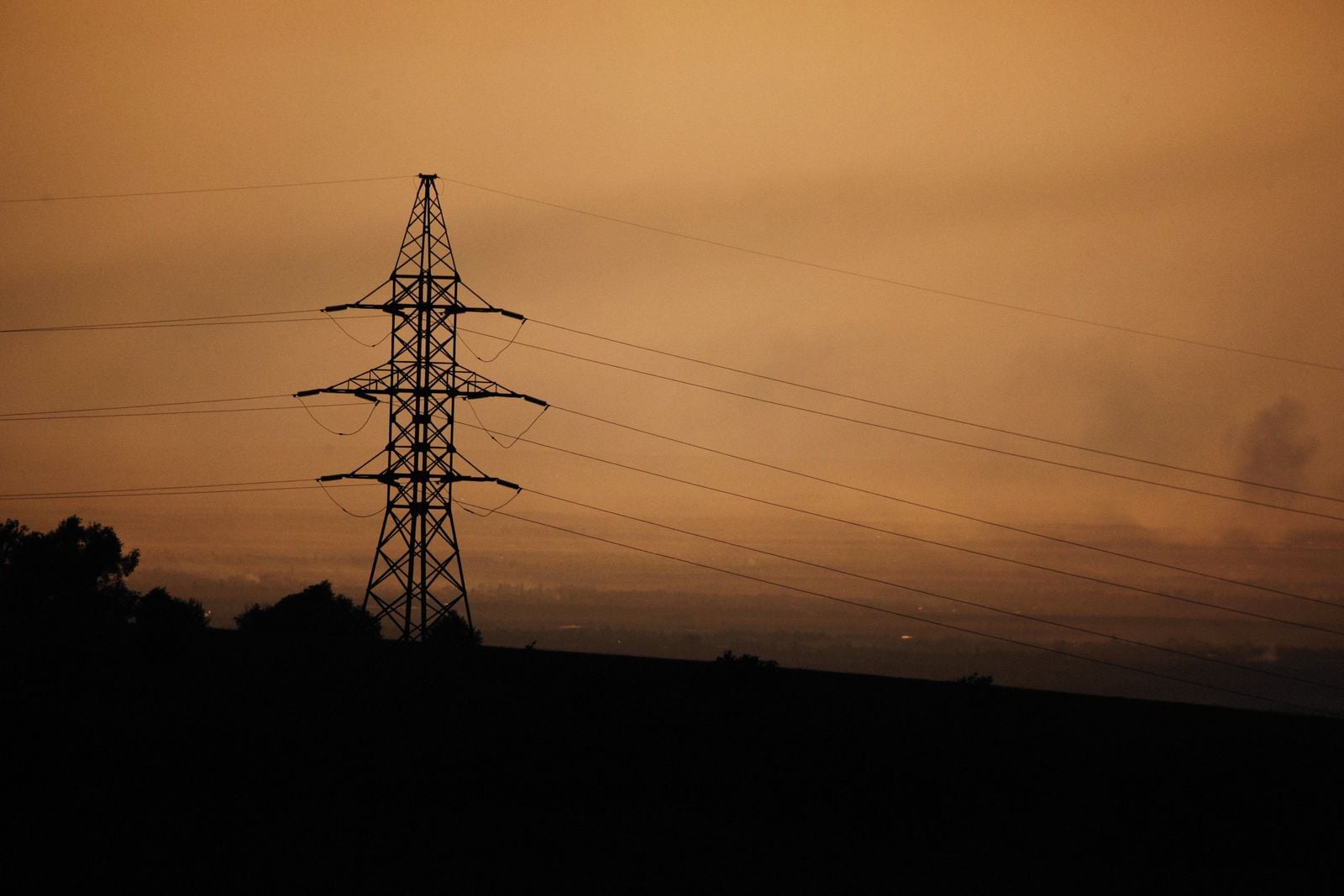
New England's much-debated hydropower transmission line is open, running, and quietly disappointing the people who fought hardest to build it. According to Grist, the New England Clean Energy Connect (NECEC) line — which began carrying Canadian electricity into Maine earlier this year — has delivered only a marginal increase in renewable power to the region after several months of operation.
The conventional pitch for NECEC was straightforward: more wires equals more clean power. The early numbers tell a more complicated story.
Energy flow into New England is up only slightly, and there have been days when no power at all moved along the new line. The region may receive less hydropower across two transmission lines this year than it pulled in over a single line in previous years.
The reason isn't the wires. It's what's flowing through them.
Before NECEC came online, New England already imported significant hydropower over an older line called Phase 2, which runs from Quebec into central Massachusetts. Flow over Phase 2 has dropped substantially, while Hydro-Québec has been exporting power over NECEC.
In other words: the new line is largely re-routing power that was already coming, not adding fresh supply.
“What we've seen so far is not what some people expected to see,” an energy analyst told Grist.
Two forces are squeezing supply on the Canadian side. Quebec has been gripped by persistent drought, limiting how much water Hydro-Québec can run through its reservoirs. And a competing project — the Champlain Hudson Power Express, which started sending electricity to New York City recently — is now drawing from the same hydropower pool.
There's a stranger wrinkle, too. In recent months, substantial amounts of electricity have flowed into Canada over the Phase 2 line — a near-reversal of the historical pattern. Because New England's grid still leans heavily on natural gas, the region is burning fossil fuels to ship power north while receiving hydropower for its own use.
An industry representative told Grist the region is running close to the lowest amount of imports that New England has gotten from Quebec.
Massachusetts, which contracted with Hydro-Québec for a significant portion of the state's electricity demand, is financially protected. The contract requires Hydro-Québec to pay penalties if it falls short, covering utilities for the cost of replacement power.
The clean energy math is harder to insulate.
NECEC's backers haven't given up on the long view. A representative from WaterPower Canada told Grist that climate models suggest a wetter future for Quebec and that new hydropower and onshore wind investments are coming. “Over the long term, we see a bright future,” he said.
An energy analyst pointed to a recent sunny day when solar output was high, NECEC was running full tilt, and the grid briefly could have met demand without natural gas at all.
The broader lesson for the energy transition is worth sitting with. Building transmission is hard, slow, and politically bruising — NECEC faced years of regulatory and legal challenges before going live. After all of that, the infrastructure works. The supply behind it doesn't always show up.
Clean energy goals depend on more than wires. They depend on weather, on competing buyers, on what the rest of the grid is doing on any given hour. A drought in Quebec can quietly undo a decade of planning in Boston. That's not an argument against transmission. It's an argument for redundancy — more sources, more storage, more flexibility — so no single project has to carry the weight of a region's climate targets.