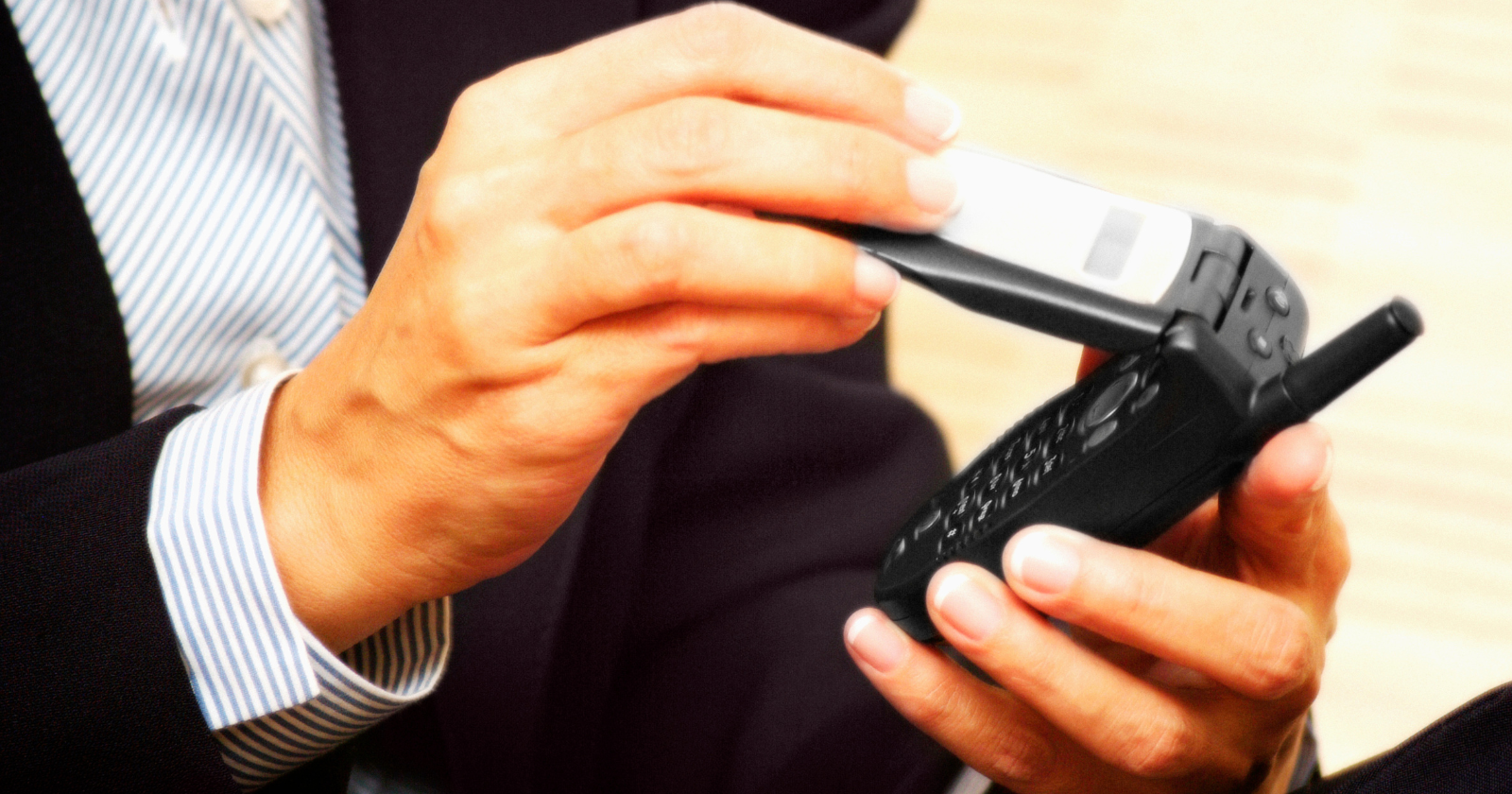
The day the SIM card went into a silver flip phone, the room felt like it took a deep breath. No notifications. No little red numbers tapping at the skull.
The hinge clicked shut and it sounded like punctuation, a full stop you can hold in your hand. There was no speech about it. No goodbye post. Just a walk outside, ten minutes of feeling stupid, and then freedom.
Here is what changed.
The first week felt like jet lag without leaving home
For seven days the thumb kept reaching for a screen that wasn't there. Standing in line, flipping the phone open out of habit, seeing a blank list of recent calls, and laughing at the absurdity. There is no scroll on a T9 keypad. There is only you, the clock, and the choice to call or not.
Sleep came like a teenager's — fast and deep. The brain shut the lights off quicker. Mornings got quiet, then wider. Coffee got made while the kettle sang instead of strangers talking before sunrise. It felt like changing time zones to one where the clocks belong to you.
Silence stopped feeling empty
Most people say they like silence. What they usually mean is curated silence with a podcast in the background. A flip phone offers the other kind — the kind with refrigerator hum and neighbor footsteps and the small sounds that tell you a house is alive. It takes about a week to hear them. It takes two to appreciate them.
On day nine, the experiment led to sitting on a bench with the flip shut, watching a dog decide between two sticks. The decision took a full minute. When was the last time anyone watched anything for a full minute without asking a phone to entertain them? It felt like learning how to stare again. Staring is underrated.
Conversations got heavier in a good way
When you do not have a pocket escape hatch, you stay. You listen to the extra sentence. People notice. A friend who usually competed with a glowing screen relaxed when she realized the hinge was closed and that there was nothing to check even if the urge struck.
They talked for an hour and forgot to take a photo to prove it happened. The proof was in how the walk home felt — full instead of scattered.
Calls replaced texts in a lot of places where hiding behind bubbles used to be the default. A call to Dad to ask a question that could have been Googled yielded a crooked answer and a story. Both were better than a search result.
Attention span grew new legs
Flip phones do not reward rapid toggling. You either call, text, or you do nothing. Micro hits of dopamine get replaced with longer lines of concentration. Thick books that had been fake-read for a year finally got finished.
Paragraphs got written without checking if they were playable on a platform. Ideas braided together again because there was room for them to meet.
When the mind got fidgety, there was walking. Ten minutes turned into thirty because no podcast was filling the boredom. Patterns on the route started appearing — a bougainvillea previously missed, a bakery that opened earlier than expected, a neighbor who always watered plants at the same time. The world got specific.
Boredom stopped being the enemy
There is a boredom twitch that modern life teaches you to kill with a swipe. The flip phone does not offer a swipe. Boredom showed up like an uninvited guest. Then it turned out to be a very useful housemate. Boredom is how your brain tells you it has extra wood and wants to build something. On a flip phone, it can.
In those little pockets of nothing, sentences got written down, trip plans sketched, a months-old problem solved in the head, and the lyrics to a beloved high school song remembered. Boredom was not a hole anymore. It was a bridge.
Work got slower, then better
This particular experiment happened in a job that does not require being on call — one that requires paying attention and showing up for people with an actual brain. On a smartphone, the default is being half available to everyone, which means only half present at the desk. The flip phone broke that reflex.
Three check windows a day on a laptop — morning, mid-afternoon, late day — covered email and messages. Everything else was off. At first it felt irresponsible. Then output doubled. Fewer tabs, more pages. Fewer pings, more decisions. Writing for imaginary crowds stopped because there was no instant feedback to chase. The sentences calmed down. So did the person writing them.
Logistics demanded new rails
Let's be honest. A flip phone breaks a lot of easy stuff. Two-factor authentication needs a code. Bank apps want your face. Rideshare requires a tap. Photos, maps, payments at the register. The modern world is built around a black glass slab.
So new rails got built. Paper lists. A small physical calendar with boxes to cross out. Printed boarding passes. Meeting people the old way — with an agreed time and a landmark. A cheap clip-on card reader for train lines and one bus route that never got learned before. For rides, a desktop to schedule pickups in advance, or standing on a corner with an arm out like it was 2004. It works more often than you would think.
Maps asked for creativity. Printed directions, a photo of the printout taken with a point-and-shoot already owned, read like a tiny map. Sometimes walking into a shop and asking a real human for help yielded better instructions than any app ever gave. "Excuse me" became a navigation method.
Texting became a gate with a toll
Typing T9 will humble anyone. You learn to be brief and kind. You pick up the phone when the topic deserves more than thumb math. Group chats become shorter and more intentional. The meme economy moves on without you, and somehow life does not collapse.
One web tool on a laptop stayed for the moments when a code or a link truly mattered. Two-factor codes could land in a message checked at home. Nobody has to pretend to live in a cave. You just stop carrying the cave in your pocket.
Photos returned to being memory, not content
The flip camera exists