Whey protein prices have doubled in two years and cheese supply can't catch up — which is exactly why the EU just handed Vivici €12.5M to ferment the molecule instead
Dutch precision fermentation startup Vivici has secured €12.5M ($14.4M) from the European Innovation Council to scale its animal-free whey proteins, landing as conventional whey prices surge and US supply runs short.
Dutch food tech startup Vivici has secured €12.5M ($14.4M) from the European Innovation Council's 2026 accelerator programme to scale its precision-fermented whey proteins, as reported by Green Queen. The funding lands at a moment when conventional whey supply is buckling under sustained demand.
The conventional wisdom holds that animal-free dairy is a slow-burn category waiting for cost parity. The price chart for traditional whey suggests otherwise. Concentrate costs have risen 108% over the last two years, isolate prices have nearly doubled, and US contracts are booked well into 2026.
Vivici was one of 38 companies selected from 87 proposals in the EIC round, which carries €90M in grants and a further €202M provisioned for equity investments. The capital comes a year after the company closed a €32.5M Series A.
The money goes toward scaling two ingredients sold under the Vivitein brand. Vivitein BLG is a bioidentical version of beta-lactoglobulin, the dominant whey protein in cow's milk. Vivitein LF is an animal-free version of lactoferrin, the iron-binding glycoprotein associated with gut health and recovery.
The beta-lactoglobulin offers 66% lower emissions, 86% less water consumption, and 61% less land use than the conventional protein. The lactoferrin reaches 95% purity. Both have been cleared for sale in the US.
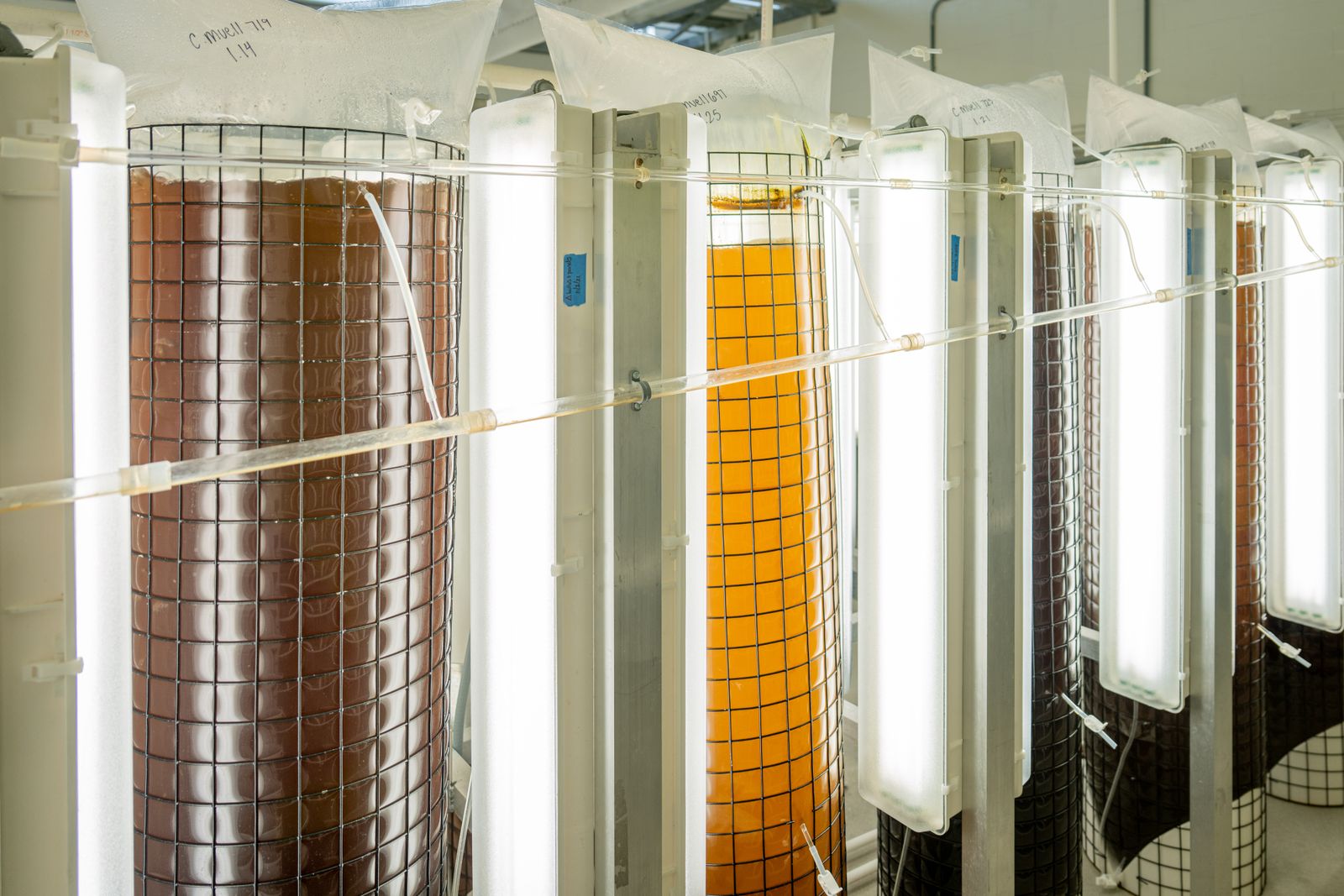
The technical bottleneck for precision fermentation has long been scale, not science. Vivici cleared part of that hurdle earlier this cycle by running its process in a 75,000-litre fermenter at the Bio Base Europe Pilot Plant, the largest commissioned facility of its kind in Europe. Headquartered at Biotech Campus Delft, the company is now working with co-manufacturers across Europe and the US.
According to the company, CEO Stephan van Sint Fiet described the EIC support as an endorsement of Vivici's work, adding that the funding would allow the company to move faster on commercialising the technology.
Chief Commercial Officer Simon Penfold said the company is experiencing strong customer demand and the funding will help it scale supply to meet market expectations.
The data on this is striking — and we laid it all out in a recent video on our YouTube channel, where our team traced exactly how precision fermentation works and why legacy dairy producers are scrambling to respond to the technology that's now attracting millions in European investment.
The wider context matters here. Whey is a co-product of the cheese industry, which means whey supply is tethered to cheese demand and dairy herd economics. When sports nutrition, functional beverages and protein-fortified everything spike at once — as has happened across the last 24 months — there is no fast lever to pull on the supply side. Cows don't scale on a sprint cycle.
That structural mismatch is the gap precision fermentation is being positioned to fill. The pitch is less about replacing dairy than about giving manufacturers a second, decoupled source of the same molecule. The category has had its share of stumbles — VegOut previously covered Eden Brew's pivot from beverage formats toward supplements after clearing its US safety review — but the underlying ingredient strategy keeps drawing institutional capital.
For the curiously conscious shopper, the story is rarely visible on a label. Bioidentical proteins don't show up as a category at retail; they show up as an ingredient inside a protein bar, a meal replacement, or a clear hydration drink. The impact question is upstream: where the protein came from, how much water it cost, what supply chain it depends on. On those metrics, this round of EU funding is a bet that the answers are about to change.
Edited by the VegOut Editorial Team. Read our editorial standards · Masthead.