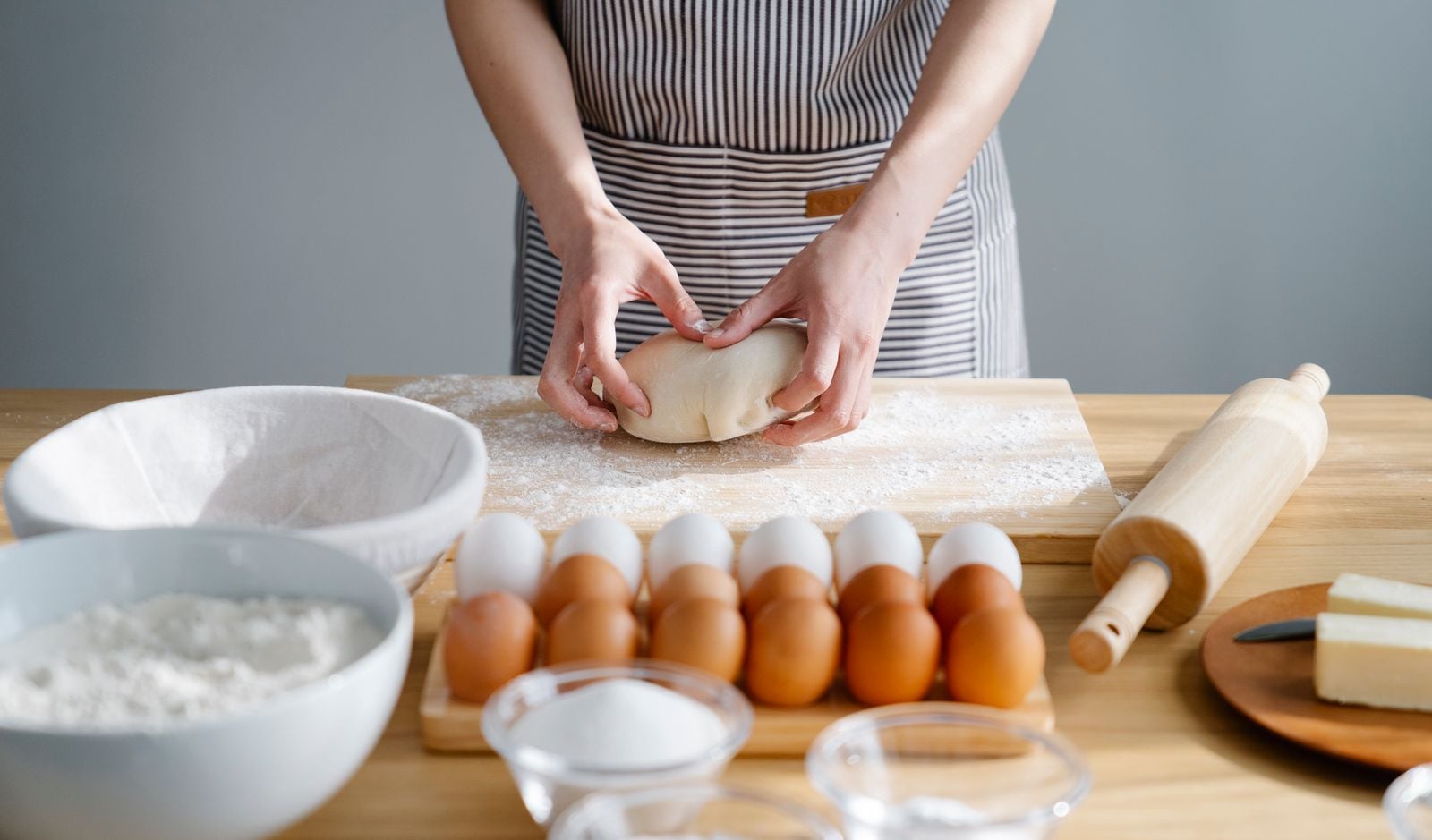
The midlife "cooking renaissance" story tends to get framed as a culinary awakening. People discover sourdough. They take a knife skills class. They build out the pantry they always wanted.
The real story is quieter and stranger than that.
The conventional wisdom — and what it gets wrong
The standard narrative says people in their fifties start cooking elaborately because they finally have time, money, or curiosity. Empty nest, stable income, hobby vacuum to fill.
That framing isn't wrong, exactly. It's just shallow.
What it misses is that for a sizeable group — particularly women, particularly long-term caregivers — the return to the kitchen isn't about new skills. It's about a question that's been on hold for thirty years: what do I actually want to eat when nobody else is at the table?
That question sounds small. It isn't.
The psychology of being last in line
Family systems theorist Salvador Minuchin described how household roles can calcify until certain members function almost entirely in service of others' needs. His work on family structure laid the groundwork for what later researchers, including Gregory Jurkovic and Lisa Hooper, would formalize as parentification and role reversal — patterns where one person's preferences get subordinated to the system's needs for so long that they stop registering them as preferences at all.
This role-reversal dynamic doesn't end in childhood. It extends into marriages, into parenting, into eldercare. The person who learned early to read the room, accommodate, anticipate — they don't stop doing it at thirty.
They do it for forty more years.
Then, somewhere around fifty, the room empties out. The kids leave. A partnership ends or changes shape. A parent dies. And the muscle that's been flexed continuously for decades — what does everyone else need? — finally goes slack.
What rushes into that silence isn't peace, at first. It's a strange, almost vertiginous question: what do I want for dinner?
Caregiving and the slow erasure of preference
The numbers on this are easy to underestimate. A Pew Research Center report on family caregiving in an aging America found that millions of adults are providing care to a parent, spouse, or partner over 65, often while still working or raising children of their own. The cumulative hours are staggering. The cumulative meals — planned, shopped for, cooked, cleaned up — are even more so.
When you cook three meals a day for other people for thirty years, you stop noticing your own palate. You cook what the kid will eat. What the partner prefers. What the elderly parent can chew.
Reporting on caregiver identity loss describes people who emerge from caregiving stints feeling like phoenixes — not metaphorically refreshed, but genuinely unsure who they were before. One former caregiver described having to relearn that she used to be "a talker."
Now imagine the same thing happening to taste.
The kitchen as a private archaeology site
This is why the fifties cooking phase looks different from the twenties cooking phase, even when the recipes look the same.
A 25-year-old learning to cook is building. A 55-year-old finally cooking for themselves is excavating.
They're testing whether they actually like the dish their mother always made or whether they only ever ate it because that was the household. They're discovering they hate the texture of one ingredient they served weekly for decades. They're realizing they prefer dinner at 4:30 in the afternoon, alone, with a book.
This is the territory VegOut has covered before in a piece on late-life "picky eating" — the way a person in their sixties suddenly developing strong food preferences is often the first time in their life they've felt safe enough to admit those preferences existed.
It looks like fussiness from the outside. It's actually a kind of return.
What identity researchers would call this
The framework that fits here comes from identity development research — work that, until recently, focused almost exclusively on adolescents.
Research on identity development describes a process that involves surveying many options (what researchers call exploration in breadth) and examining existing commitments to see if they fit (what researchers call exploration in depth). Healthy identity, the research suggests, requires both.
Most people get the breadth exploration in their late teens and twenties. The depth exploration — the harder, more uncomfortable one — often gets postponed indefinitely by the demands of partnership and parenting.
It comes due in the fifties.
And one of the first places it shows up is the grocery cart.
Why food, specifically
There's a reason this excavation happens through cooking rather than, say, painting or running. Food is the daily decision. You make it three times a day, every day, for your entire life. It's the most over-trained preference muscle a person has.
Which means it's also the one most likely to have atrophied under decades of accommodation.
When the accommodation ends, the muscle has to be rebuilt from scratch. And that rebuilding is what looks, from the outside, like a sudden interest in cooking.
It's actually a sudden interest in having a self that has interests.
The hobbies-that-were-obligations problem
Something related happens to the people in their sixties who suddenly have time for "their hobbies" and discover that half those hobbies were actually obligations dressed up as interests — a pattern VegOut has written about in the context of treating yourself well when nobody's watching.
The kitchen version is the same phenomenon, earlier. The meals weren't hobbies — they were obligations. The recipes weren't preferences — they were negotiations.
When the negotiations end, what's left?
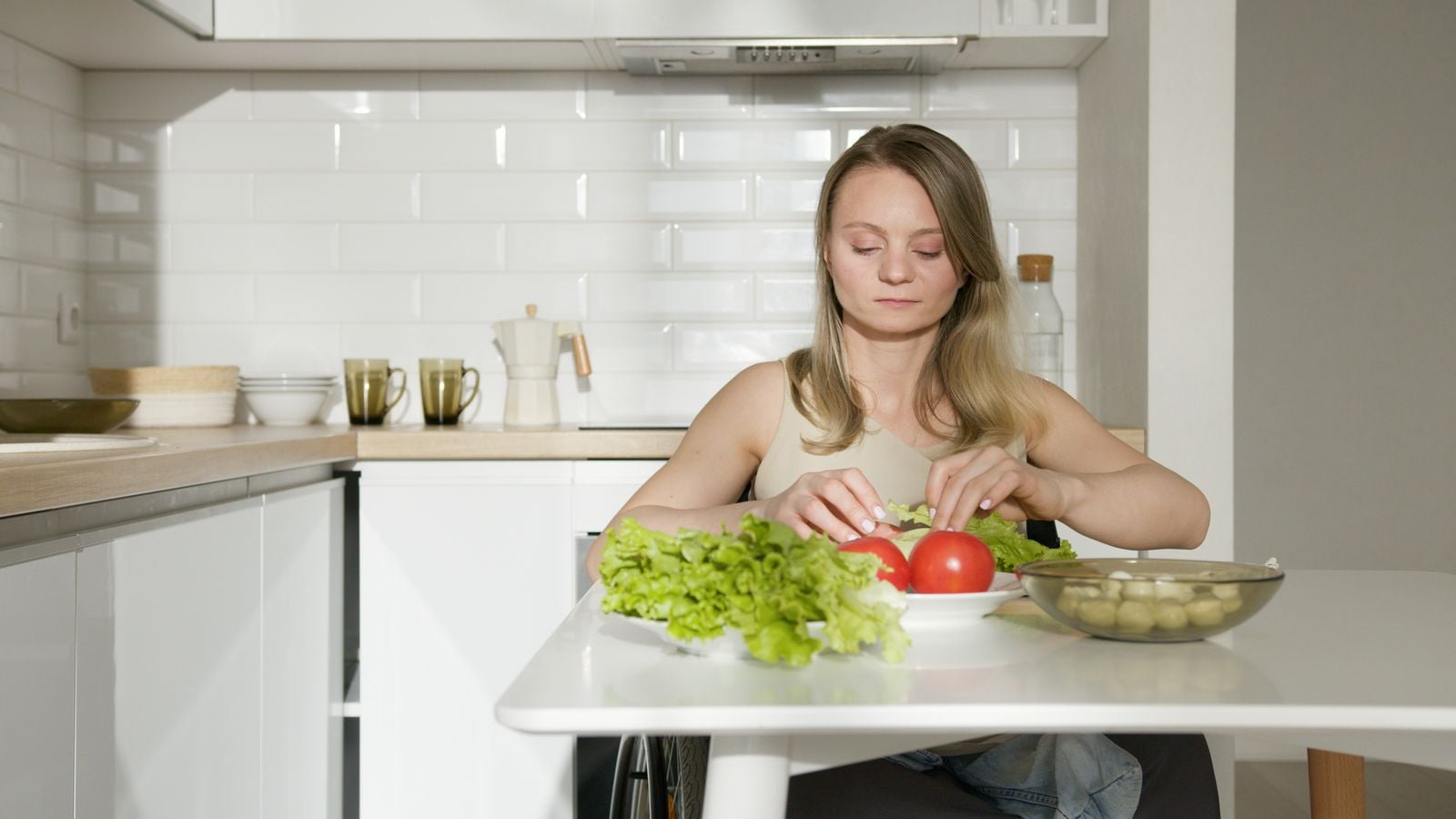
For some people, surprisingly little. They genuinely don't know what they want to eat. Standing in a produce aisle alone, with nobody's preferences to consider, they can feel paralyzed.
For others, what's left is sharp and clear and a little startling. They want anchovies on everything. They want to eat the same lentil dish four nights in a row. They want dinner to be popcorn and a pear.
Both responses are the same process at different stages.
The cooking isn't really the point
Here's the part that gets lost in the food-magazine framing of midlife culinary rediscovery: the cooking is downstream of something else.
The actual work is psychological. The cooking is just where it's most visible.
What's happening, in developmental terms, is the slow rebuilding of what identity researchers call commitment — the personal investment in selected values, roles, and preferences that gives a person stability and direction. This kind of late commitment-making isn't a regression to adolescence. It's a delayed completion of a developmental task that earlier life stages didn't have room for.
The fifties cook is doing in the kitchen what a twenty-year-old does in a dorm room — trying things, rejecting things, building a stable sense of this is what I like.
Just thirty years later, with sharper knives.
A word on the gendered version of this
It would be dishonest to write this without naming the obvious. The "last in line" pattern lands disproportionately on women, particularly women who came of age before dual-career households were the default and who absorbed the unpaid caregiving labor of two generations.
This is the territory Jeanette Brown explores in a talk on how retirement can last longer than a career — she describes the psychological emptiness that arrives when the structure of caring for everyone else suddenly disappears, and a person is left wondering who they even are anymore.
The data on caregiving and identity loss shows the burden is still skewed, even now. Men experience it too — the bachelor who suddenly cooks for himself after a divorce is the same archetype, slightly different chord — but the population most likely to spend forty years cooking other people's preferences before getting to their own is, statistically, women in their fifties.
This isn't a value judgment. It's just the demographic reality of who currently shows up in the late-blooming-cook cohort.
What this means for how we read the trend
Food media tends to flatten this story into "midlife foodie discovers cooking." The supply chain rewards that framing — it sells cookbooks, knife sets, KitchenAid mixers, sourdough starters, $40 olive oils.
None of that is wrong, exactly. The market is just optimized for the surface of the phenomenon, not the substrate.
The substrate is identity reconstruction. The cookbook is the visible artifact.
If you know someone going through this — a parent, an aunt, a friend, yourself — the worst thing you can do is treat the cooking phase as a quirky hobby. The best thing you can do is treat it as serious work, because it is.
They're not learning to cook. They've cooked for decades.
What they're learning is who's at the table when they're the only one sitting at it.
The dish for one
There's a particular small moment that shows up in this phase, again and again. The cook plates a meal for themselves — just themselves — and pauses before sitting down.
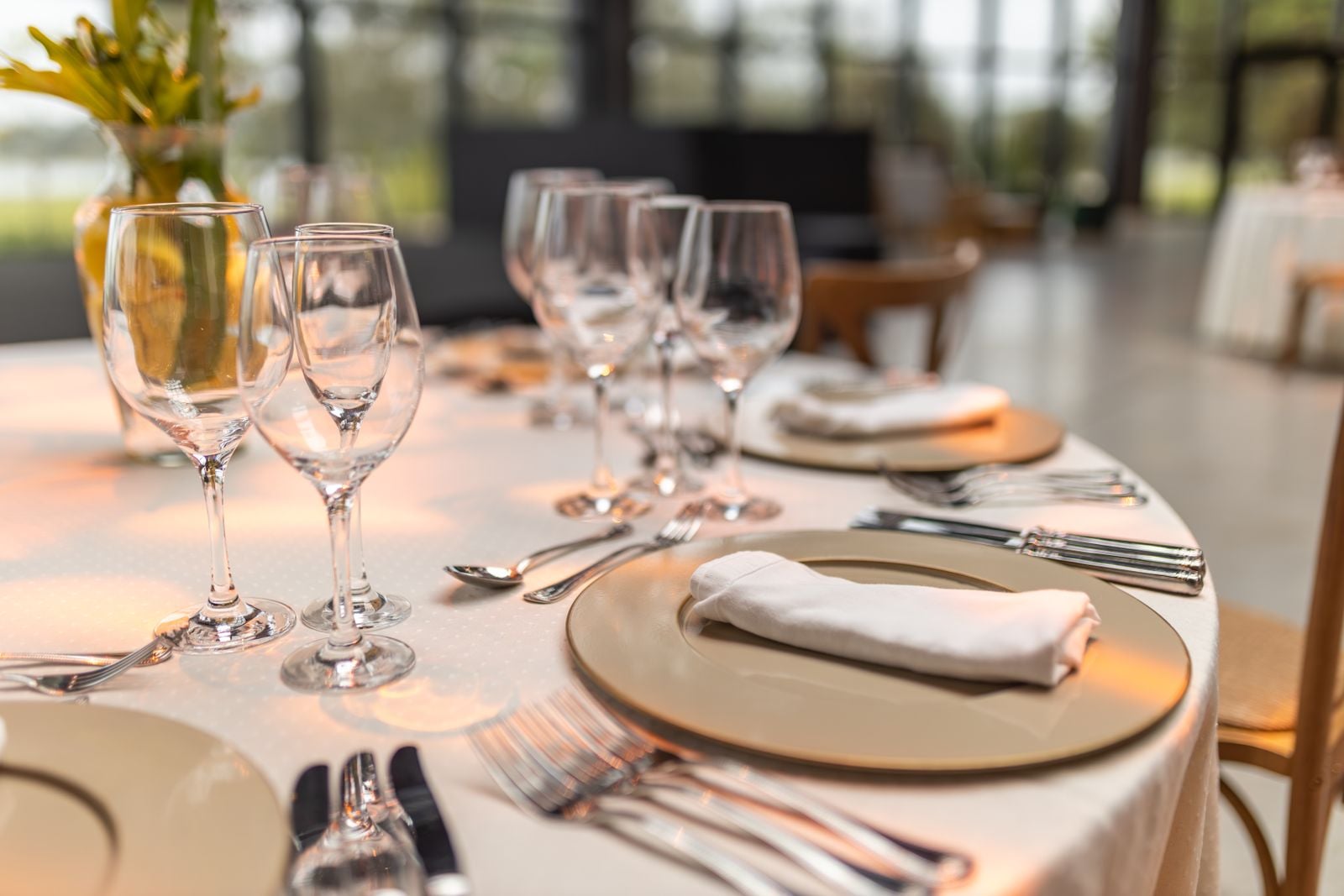
They use a real plate. Not a takeout container, not standing at the counter. A plate.
That pause is the entire story compressed into about four seconds. It's the recognition that the person eating this meal is worth the plate.
That recognition is the thing the title of this article is actually pointing at. Not the food. Not the recipe. Not the new cast iron pan.
The person.
The one who's been there the whole time, last in line, cooking for everyone else.
Finally getting served.