The Pentagon has quietly become one of the largest financiers of critical mineral mining in North America, with Department of Defense grant spending jumping significantly in recent years. The shift, documented in a Mongabay analysis republished by Grist, reframes a story usually told as a clean-energy transition story.
The conventional framing treats lithium, graphite, and rare earths as the raw materials of electric vehicles and grid batteries. The Pentagon's spending pattern tells a different story.
According to the USAspending database, the Department of Defense has issued substantial critical mineral grants in recent years, with lithium projects receiving significant funding, followed by neodymium, boron, graphite, and aluminum.
Those minerals power batteries in portable weapon systems, magnets in missiles and drones, and lightweight components in fighter jets. The same materials also sit at the center of the energy transition — which is part of why the funding numbers look the way they do.
The majority of the grants went to projects on U.S. soil, reflecting a Trump administration executive order calling foreign mineral dependence a national security threat and directing agencies to expedite domestic production.
That acceleration is happening through a federal program called FAST-41, which can reduce the environmental review and authorization timeline for projects included in its portfolio. The portfolio currently contains multiple mining projects, several of them backed by Pentagon dollars.
Indigenous communities living near these sites say the speed is the problem.
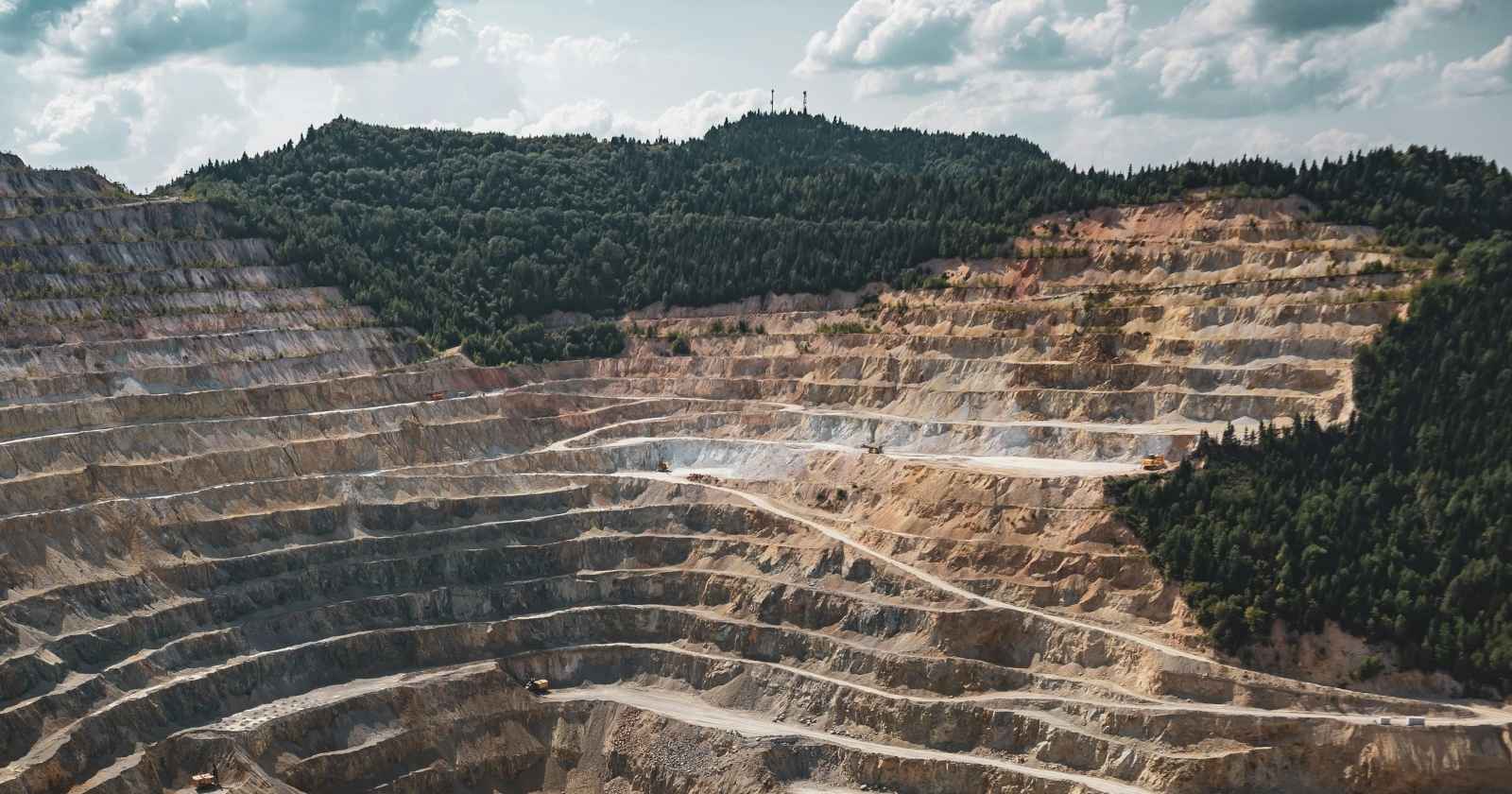
Grist reports that Iñupiat residents near the Graphite Creek project in Western Alaska — which received Pentagon investment — say they have not been meaningfully consulted. Graphite One, the company developing the open-pit mine, has stated it has held extensive meetings with local stakeholders over the years.
Adelaine Ahmasuk, a member of the Siqnasuagmuit community, told Grist that subsistence hunting and gathering are central to how families in the region eat. According to Grist, Adelaine Ahmasuk explained that subsistence hunting and gathering provide most of the meat, food, and berries for families in the region, and that mining development could threaten these traditional food sources. She expressed concern that the mine could drive away animal populations like moose, potentially eliminating the community's primary food sources.
A similar pattern is playing out at the Thacker Pass lithium mine in Nevada, where the Pentagon has issued grants. People of Red Mountain, a committee of Fort McDermitt Paiute, Shoshone and Bannock descendants, told Mongabay they fear easy permitting will turn the McDermitt Caldera into a mining district with no plan for ecosystem restoration.
The deeper tension here is one the clean-energy conversation tends to skip. The minerals powering the EV in a buyer's driveway and the magnet in a guided missile come from the same ground, often through the same accelerated permitting channels, often over the objections of the people who live there. Framing the build-out as purely a climate solution obscures who is paying the cost and who is writing the checks.
For readers thinking about the systems behind everyday choices, this is the part of the supply chain that rarely makes it into the product brochure.