The green economy has crossed $10 trillion in market capitalization, a milestone that reframes how investors and governments are thinking about climate-aligned business. The figure comes from a new London Stock Exchange Group analysis released Wednesday, and it lands at a moment when the dominant political narrative in Washington has tilted back toward oil and gas.
The conventional read on climate investing has been that it's a moral choice with a financial cost — a sacrifice you accept in exchange for doing the right thing. The LSEG numbers suggest the opposite. Companies pulling at least half their revenue from environmental solutions outperformed non-green peers by two to four percentage points, and since 2008 the green economy has outpaced global equities by 133 percent. That's a return profile, not philanthropy.
The LSEG report assessed 21,000 global companies and measured how much of their revenue comes from things like renewable energy, clean water, and energy efficiency. Green revenue grew 5.3 percent last year. If the green revenue across those 21,000 companies were broken out as its own industry, it would rank as the world's third-largest. Green companies, broadly defined, beat the wider market by roughly 12 percent over the past decade.
Gernot Wagner, a climate economist at Columbia Business School who independently reviewed the report, noted that the headline number matters because of what it signals about investor conviction. Market capitalization, if measured properly, is a sign that there are investors who have $10 trillion of capital sitting in the clean, green, low-carbon economy, expecting market returns—sizable returns, reasonable returns, average returns—and that's a significant development.
Wagner argued the sector has grown because of energy shocks and policy whiplash, not despite them. Fossil price volatility, supply chain anxiety, and the geopolitical scramble for energy independence have all pushed capital toward technologies that can be built and scaled domestically. An LSEG analysis from 2023 examined how geopolitical factors were reshaping green investment patterns, a frame that now looks prescient.
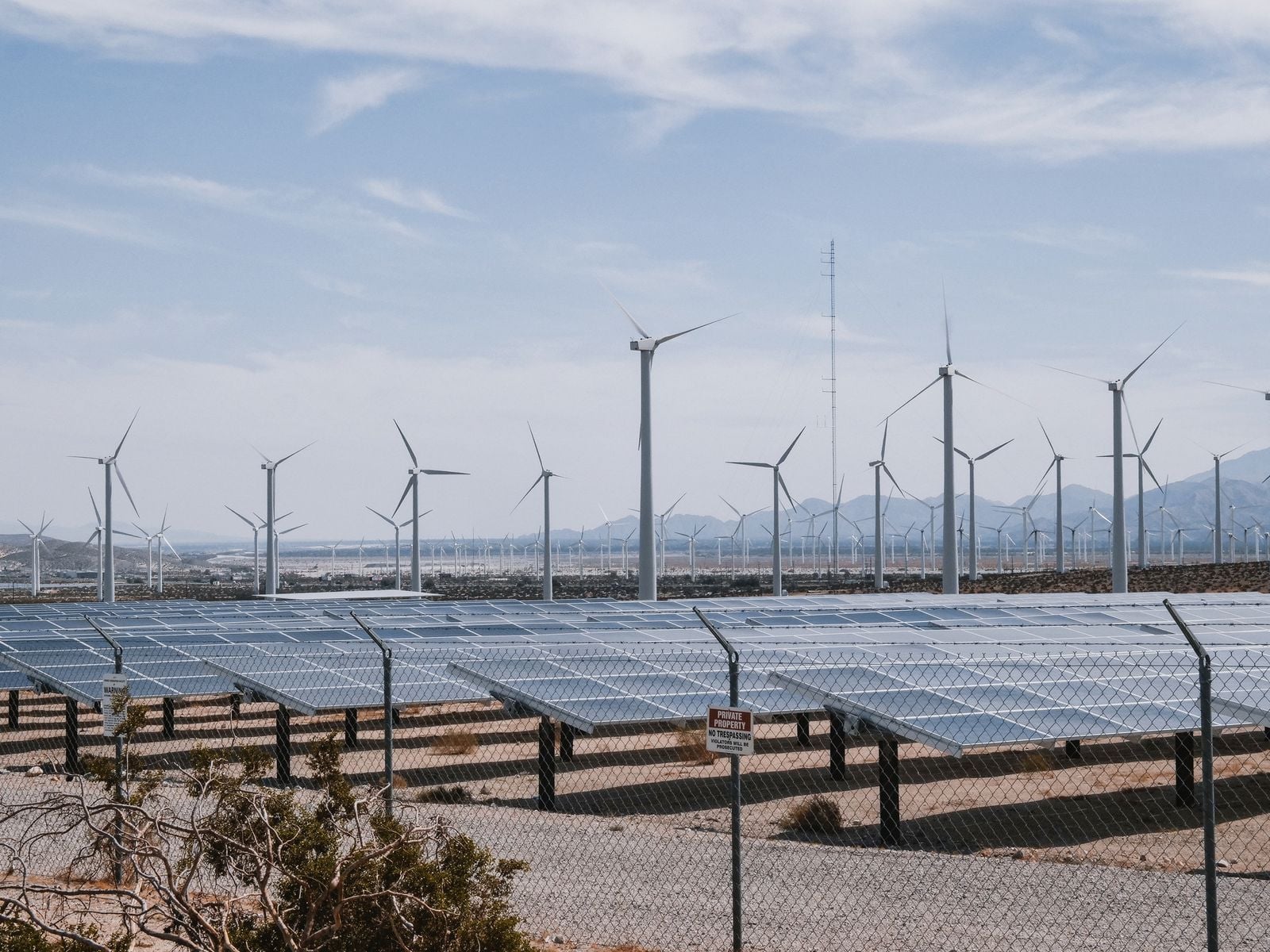
The U.S. remains the largest green economy by market capitalization, even as the Trump administration has pivoted federal policy back toward domestic oil and gas. A BloombergNEF report in January found that a record 79.7 gigawatts of clean power is expected to come online in 2026 despite federal project cancellations. Much of that demand is being driven by corporate buyers — Meta, Amazon, Google, and Microsoft accounted for nearly half of all clean power purchase agreements in 2025.
The picture isn't clean, though. A proposed major acquisition in the energy sector would create the country's largest renewable electricity producer — and also its largest gas-fired one, much of it earmarked for AI data center demand. Microsoft is reportedly reconsidering some of its clean-energy commitments as it races to power those same workloads. The "green economy" label hides a lot of complexity about what is actually getting built.
For readers who follow climate-aligned business beyond energy — including food-tech ventures attracting capital — the LSEG findings reinforce something the climate investment community has been arguing for years: the long arc of capital is bending toward decarbonization regardless of which party holds the White House. Players will change. Subsidies will come and go. Demand for clean power, efficient buildings, and lower-carbon supply chains keeps climbing.
The harder question is who benefits. A $10 trillion market cap concentrated in utilities, tech buyers, and large-cap renewables developers is a different story than a broad-based transition that reaches workers, communities, and smaller economies. The number is real. What it funds is still being decided.