India's air-conditioning boom is no longer a distant climate forecast. It is already showing up on the grid.
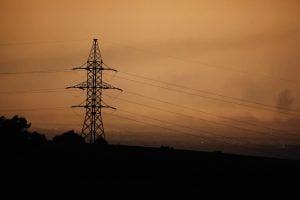
On 21 May 2026, India's power demand hit an all-time high of 270.8 gigawatts, with officials linking the surge to heavy air-conditioner use during scorching heat. That is the practical edge of a much bigger question: not whether millions more Indian households will buy ACs, but what kind they will buy.
The conventional framing treats rising AC demand as a straightforward climate problem — more cooling, more emissions, more grid strain. The data complicates that story. Cooling demand is rising because heat is becoming harder to live with, incomes are rising, and households that have never owned an AC are beginning to enter the market.
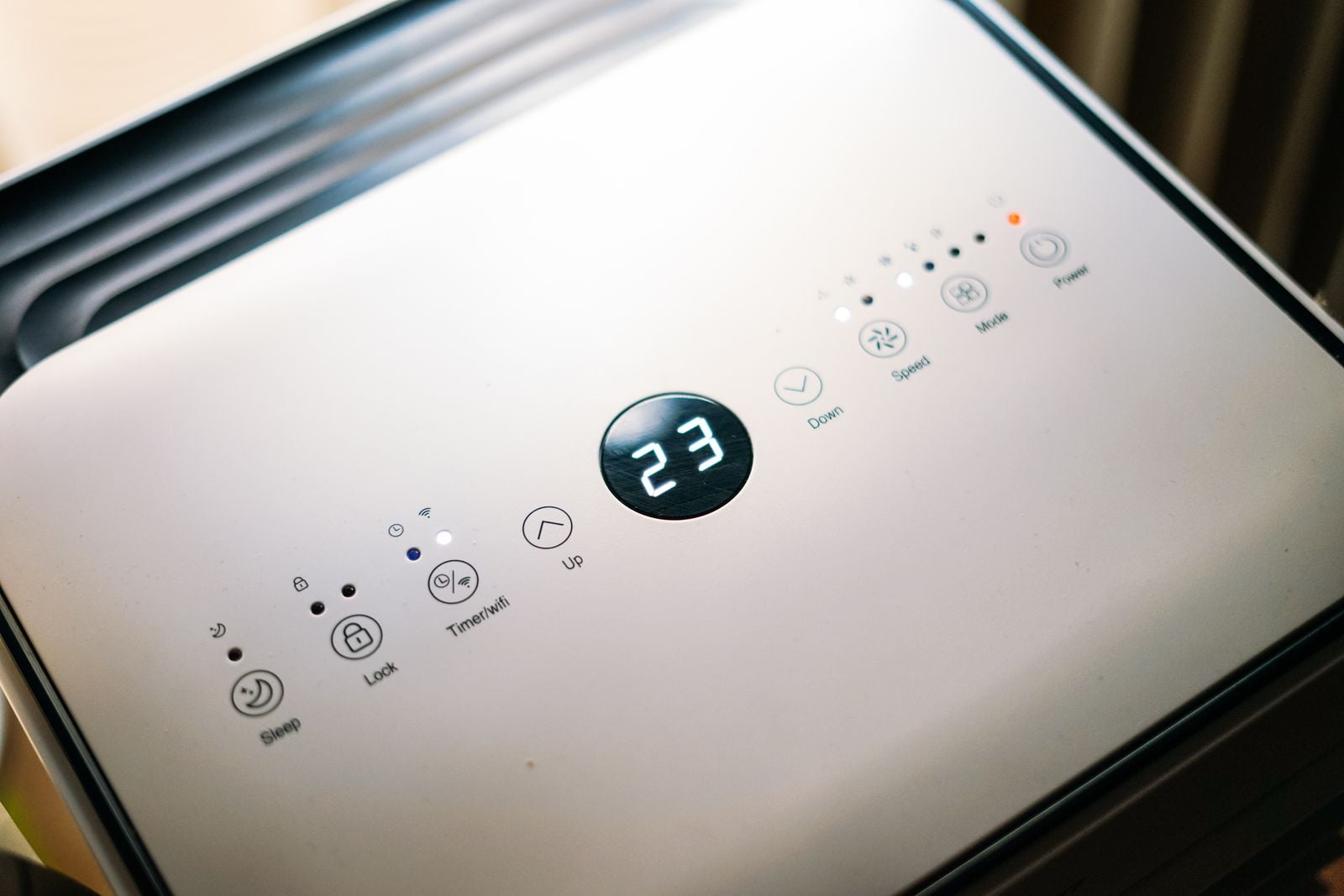
That means the showroom decision matters more than it looks. A cheaper, less efficient unit may solve one household's immediate heat problem. But once millions of households make that same choice, the result becomes a national electricity problem.
The International Energy Agency has warned that space cooling is one of the fastest-growing drivers of electricity demand. Its analysis says many homes in hot countries have still not bought their first AC, and that efficiency standards are one of the simplest ways governments can cut future power demand, emissions and costs.
India is right at the center of that story. AC penetration is still far below richer countries, which means much of the country's future cooling stock has not yet been purchased. That creates a rare lock-in moment. Appliances bought in the next few years will not just shape household electricity bills; they will shape peak demand, generation needs and nighttime coal use for years after the sale.
The grid pressure is already visible. The Times of India reported that officials estimated India had about 1.3 crore AC units, with numbers growing 15% to 20% annually. The same report said rising AC use was reshaping electricity-consumption patterns across urban, semi-urban and smaller-town India.
That is why the difference between a low-rated and high-rated AC is not just a private consumer choice. A more efficient unit reduces the electricity needed for the same cooling. Across millions of units, that can mean lower peak demand, fewer expensive grid upgrades and less fossil generation running through hot afternoons and nights.
The emissions story goes beyond electricity use. A 2025 report on an iFOREST survey found that AC-related emissions in India had reached 156 MtCO₂e, and were projected to double by 2035 without stronger regulation. The report also pointed to refrigerant leakage and servicing practices as a major part of the problem.
The catch is access. AC ownership is still concentrated among better-off urban households, while many of the people most exposed to dangerous heat have the least ability to buy efficient cooling. A policy that simply tells consumers to make better choices misses the price barrier at the point of sale.
If efficient ACs cost more upfront, many households will choose the cheaper model even when it costs more to run over time. That is not a moral failure. It is a design problem.
Governments can change that calculation through targeted subsidies, stronger efficiency standards, financing, and support for low-income households facing dangerous heat. Cooling access should be treated as economic and public-health infrastructure, not as a luxury purchase.
For a publication interested in how systems shape choices, this is the useful case. The decision that determines years of household emissions and grid stress is not ideological. It is often a price tag at the showroom, a label on the appliance, and a policy choice made long before the customer walks in.
The cheapest AC on the floor today can become tomorrow's locked-in electricity bill. The efficient one can become part of a quieter, less visible climate policy: millions of households staying cool without forcing the grid to run harder than it has to.