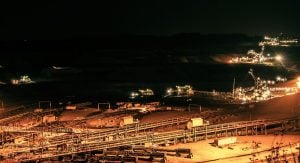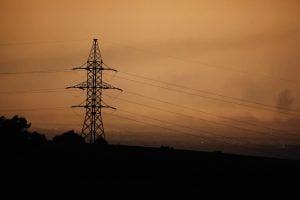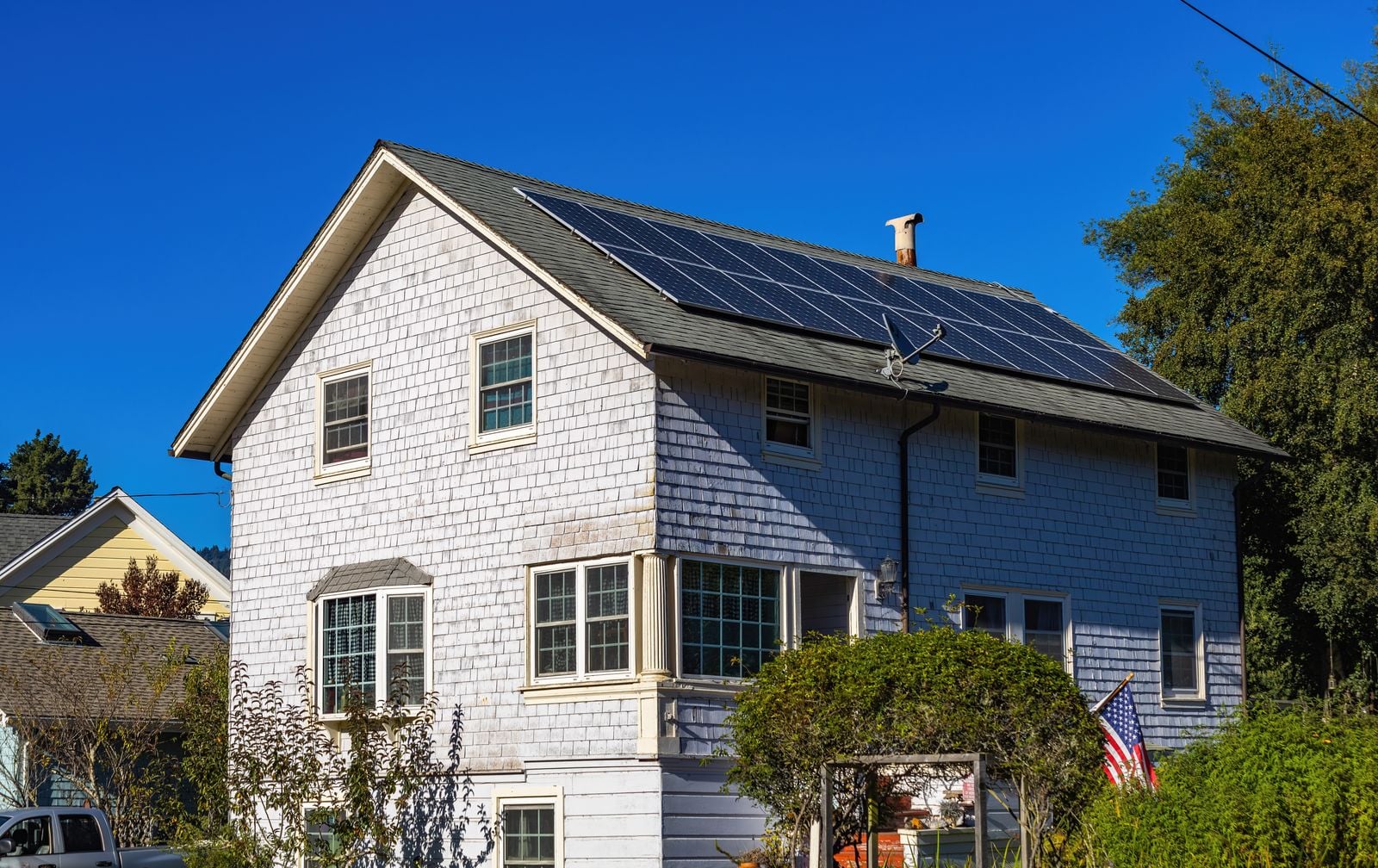
A fund Congress created to put rooftop solar and batteries on the homes of low-income Puerto Ricans is instead being routed to the bankrupt utility that runs the island's failing grid — including funds earmarked for a new natural gas pipeline. Grist reports that internal Department of Energy documents, obtained through the Freedom of Information Act, reveal how the Trump administration engineered the diversion through a noncompetitive, sole-source award process.
The Energy Resilience Fund was approved with a specific purpose. Lawmakers wanted solar-and-battery systems installed for medically vulnerable, low-income residents who cannot afford to lose power during storms.
That plan effectively vanished after the change in administration.
According to Grist, the DOE has redirected a large share of the funds to the Puerto Rico Electric Power Authority, or PREPA, to shore up its mostly fossil-fueled power plants. The agency justified the move by citing an executive order declaring an energy emergency, which it used to waive standard procurement requirements and skip competitive bidding.
The most striking departure from agency norms involves money PREPA didn't have to put up. DOE typically requires large grant recipients to contribute a cost share. PREPA was asked for a minimal contribution — despite reporting nearly $4 billion in annual revenue.
According to sources familiar with DOE funding practices, the 1 percent cost share was unusually low for an award of this size to a recipient with PREPA's revenue levels. The official added that cost-share waivers are supposed to be granted only through a direct determination by the energy secretary.
The DOE's own internal memo, also obtained by Grist, anticipated the backlash. The memo included a section addressing potential concerns about the decision. It acknowledged that skipping a 30-day congressional notice period, avoiding other bids, and slashing the cost share could generate negative reactions, and that the sole-source designation to PREPA could raise concerns about fairness and favoritism.
The agency argued that no other entity in Puerto Rico has the asset ownership or legal mandate to execute grid stabilization at this scale, and that a competitive process would have taken time the island cannot afford.
The numbers behind that urgency are real. The average Puerto Rican experienced extensive outages in 2024, and parts of the island waited months for power after Hurricane Maria.
But context complicates the emergency framing. Congress has already allocated substantial federal funding to modernize Puerto Rico's grid since Maria. PREPA, which has been in bankruptcy, has completed very few projects with that money.
Congressional Democrats sent a letter to the Energy Secretary demanding answers. The lawmakers expressed concerns about transparency issues, wasteful reuse of funding, disregard for congressional intent, and potentially illegal contract cancellations.
The lawmakers reserved particular concern for the natural gas pipeline. The DOE's public materials described the project as addressing fuel supply security between San Juan and Palo Seco, but internal documents identify it plainly as a pipeline build-out — infrastructure that would lock the island into imported methane for decades.
The story matters beyond Puerto Rico. Resilience funding designed to put generation in the hands of households — the kind of distributed, climate-adapted infrastructure most experts say island grids actually need — is being consolidated back into a centralized, fossil-fueled utility that has spent years failing to deliver on previous federal money. Who profits from that narrative is worth asking. Ratepayers and the households who were supposed to get solar and batteries are not on the list.