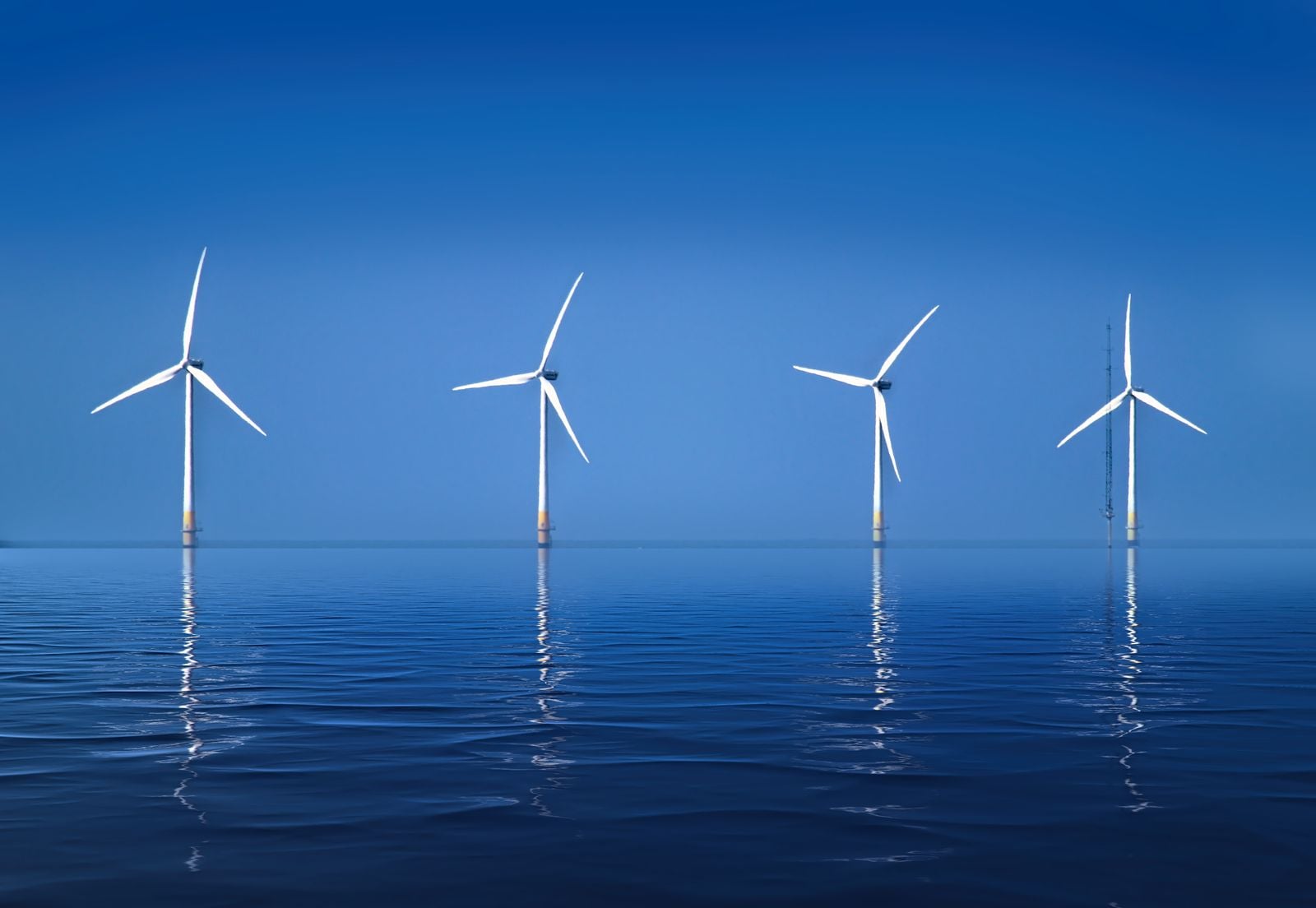
The Trump administration has walked away from its fight to block wind energy development in the United States, dropping its appeal of a federal court ruling that called the policy unlawful. The U.S. Court of Appeals for the First Circuit dismissed the appeal on Monday after the Justice Department filed a motion for voluntary dismissal on June 10, ending one of the most closely watched legal battles over the energy transition.
The case stemmed from an executive order that froze federal permitting and leasing for wind projects. A coalition of attorneys general from multiple states and Washington, D.C. sued. A U.S. District Court ruled that the order was “arbitrary and capricious” and exceeded the president’s authority. Monday’s dismissal affirms that decision.
The retreat lands during a stretch of court losses for the administration’s anti-renewables agenda. A week earlier, the U.S. District Court for the District of Columbia struck down a Treasury rule that had made it difficult for wind and solar projects to qualify for federal tax credits. The court ruled the administration had not given a sound reason for changing the longstanding safe harbor policy, and sent the rule back to the IRS to reconsider.
Clean energy output keeps climbing in the meantime. A report from the Environmental Defense Fund and Atlas Public Policy projects a record 79.7 GW of clean power coming online in 2026, even after roughly 8 GW of projects were canceled in the first quarter. The country already has 471 GW of clean power online, with a record 51.6 GW added in 2025 — the equivalent of about 25 Hoover Dams. Another 222 GW is planned or under construction, backed by an estimated $377 billion in developer investment through 2031.
The political geography complicates the standard narrative. The EDF-Atlas report found that 80 percent of existing, planned and under-construction clean power capacity sits in Republican congressional districts, with Texas leading every state at 164 GW. Renewable energy offers an affordable solution to lower costs and protect health and the environment at a time when Americans face soaring bills.
The harder story sits underneath the win. Planned and under-construction natural gas capacity rose from 44.8 GW in Q4 2025 to 65.5 GW by the end of Q1 2026 — more than four times the combined growth of solar, storage and onshore wind over the same period, per the EDF report. The gas buildout raises concerns, as new plants are likely going to be in service for 30 years or more.
Who profits from that lock-in is the question worth sitting with. Courts can block an executive order. They can’t unbuild a gas plant. The legal win for wind is real, and so is the parallel buildout of fossil infrastructure that will outlast several administrations. For readers tracking how everyday choices add up against systemic ones — a thread VegOut has followed in pieces on how sustainability actually shows up in consumer behavior — the takeaway is that the energy transition is winning on the grid and losing on the timeline, simultaneously.