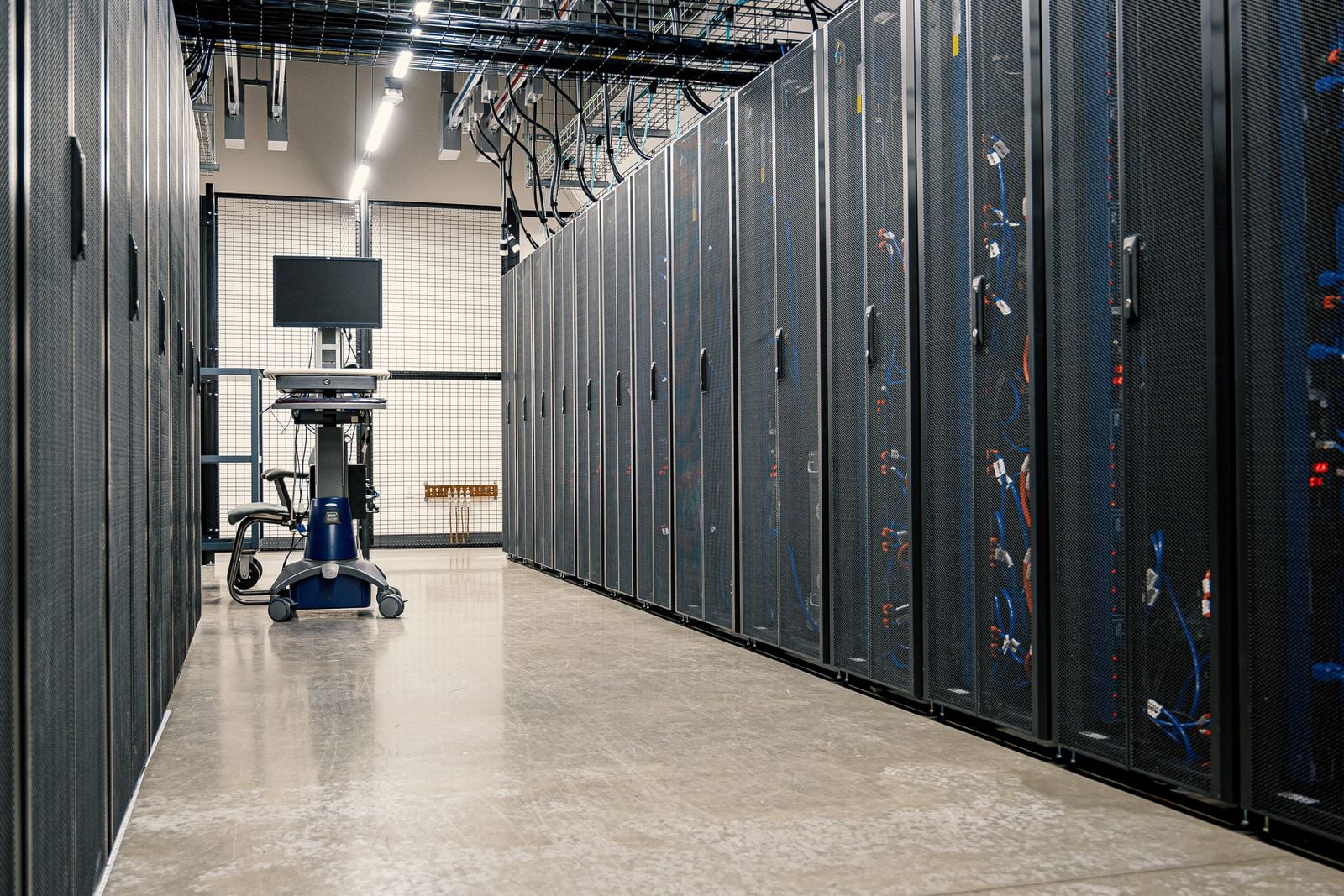
California's largest oil company has found a workaround for the fiercest NIMBY fight in tech: build the data center inside an oil field, where the neighbors are already used to industrial noise and the power plant is sitting half-idle.
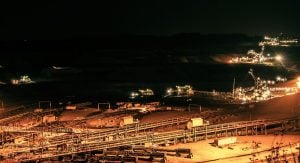
That, at least, is the pitch behind the Golden Valley Technology Hub, a facility California Resources Corporation wants to build in the Elk Hills oil field about two hours north of Los Angeles. As reported by Grist, the project sits within a field that stretches across tens of thousands of acres, and lands more than a mile from the nearest homes.
The framing matters because data centers have become one of the most politically toxic developments in the country. Recent Gallup polling found Democrats and Republicans alike oppose having one in their neighborhood, citing noise, water use, and strain on the grid.
State legislatures are catching up to that mood. Inside Climate News reports that the New York Legislature passed a one-year moratorium on data center permits earlier this month, which would make New York the first state to enact such a freeze if Governor Kathy Hochul signs it. Lawmakers in Texas and Utah have proposed their own limits.
CRC's argument is that an active oil field is a different kind of neighborhood. The Elk Hills site runs on a natural gas power plant that once operated at full tilt to generate steam for drilling. Production has fallen, so the plant has spare capacity. Plug a data center into that excess load and the company gets a new revenue stream without building new generation.
"By repurposing an existing industrial site, creating jobs and tax revenue in Kern County, utilizing dedicated on-site power, and employing one of the industry's most water-efficient cooling systems, the project is designed to support California's growing digital infrastructure needs while minimizing impacts on local communities," Chris Gould, CRC's chief sustainability officer, said in a statement to Grist.
Water use, the other flashpoint in data center fights, is being addressed through a closed-loop cooling system. Noise barriers are planned around the perimeter.
Gabriel Collins, a research fellow at Rice University's Center for Energy Studies, told Grist that public acceptance of industrial projects often depends on local context and existing industrial presence in an area. Collins noted that communities in areas with existing industrial activity may be more accepting of new industrial projects like data centers.
The economics are aimed squarely at Kern County, where oil and gas employment has declined significantly in recent years and oil assets now contribute a smaller share of property tax income than a decade ago. CRC says the project would create union construction jobs and permanent positions.
The climate ledger is messier. The data center will run on natural gas at a moment when many operators are courting wind and solar. CRC is pairing the project with carbon capture — its existing system absorbs a portion of the supplying plant's emissions, with underground storage capacity for significantly more. Environmental groups, including Earthjustice, have argued that capture infrastructure mostly serves to extend the life of fossil assets.
That's the tension worth sitting with. Oil-field data centers route around community opposition by locating in places that have already absorbed the costs of heavy industry — places that also tend to be lower-income, more rural, and more economically dependent on the industry doing the absorbing. The pattern of extractive industries reshaping local economies in their own image is not new.
What's new is that the AI buildout is now picking up where oil left off, in the same fields, often with the same workforce. Whether that counts as a transition or a life-extension for fossil infrastructure depends, as Collins put it, on where you sit.