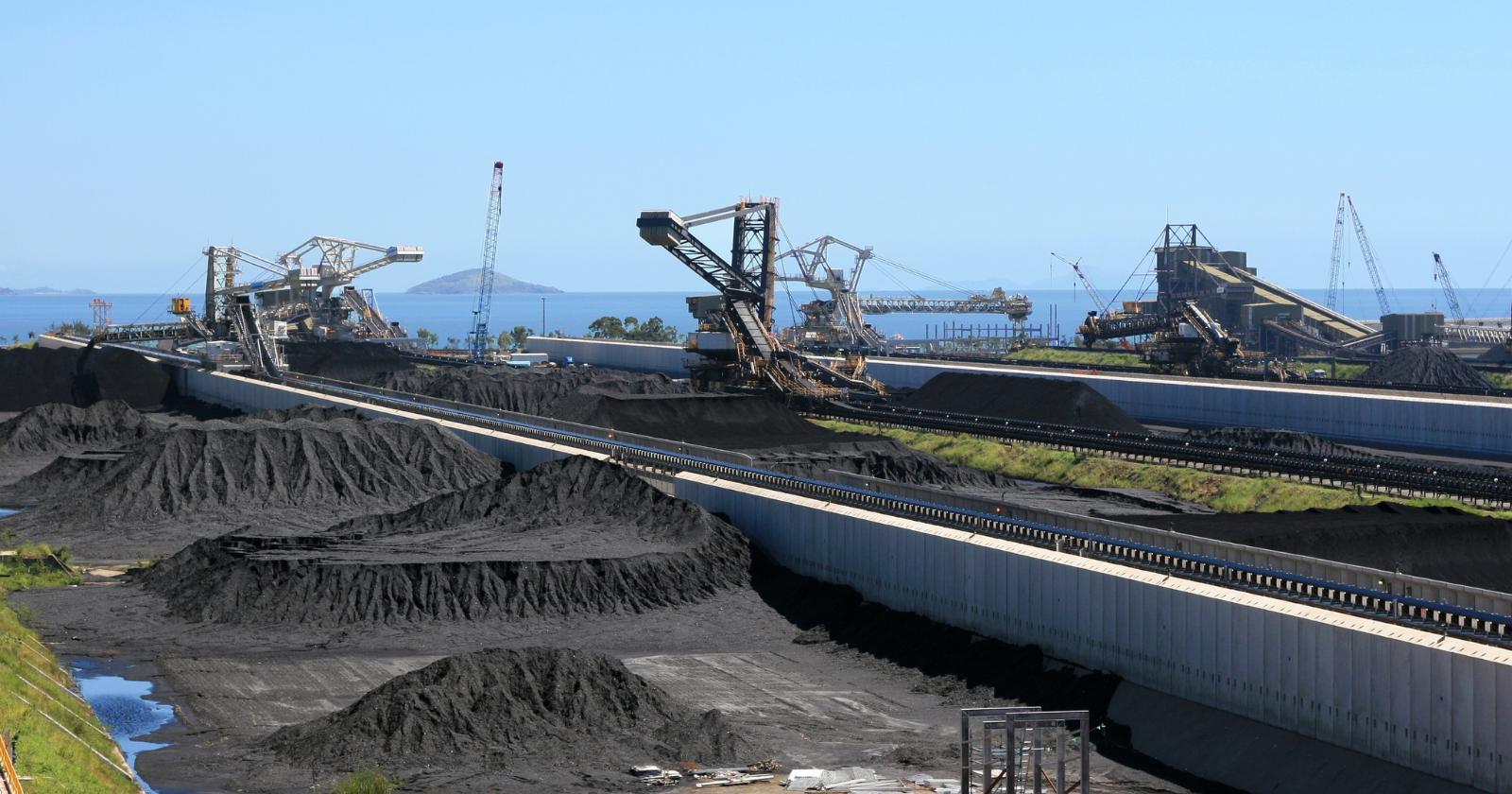
The Trump administration has committed up to $75 million in federal funding to revive Oakland's long-stalled coal export terminal, but more than a decade of litigation, a bankruptcy, and a hostile permitting environment suggest the money may not be enough to get the project built. As reported by Grist, the Department of Energy's commitment is part of a broader push that included over $400 million for coal-fired power plants.
The conventional read is that federal cash settles the question. It doesn't. The terminal still needs air quality permits, and local advocates have already organized to demand strict conditions.
The backstory is now well-documented. Investor Phil Tagami signed a development agreement with Oakland in 2013 to redevelop a defunct army base, telling residents the facility would be an all-purpose bulk terminal. Two years later, the Salt Lake Tribune reported that developers had quietly agreed to ship Utah coal through the site to overseas buyers. According to project materials, Tagami had earlier dismissed concerns about coal in a 2013 project newsletter, but the exact wording of his characterization cannot be independently verified.
Oakland responded by passing an ordinance banning coal storage anywhere in the city. The lawsuits followed.
Courts have largely sided with the developers on technical grounds. A judge ruled that Oakland's evidentiary record on coal dust health risks was inadequate, though the exact language of the ruling requires verification from court documents. The same judge declined to rule on whether coal itself posed a danger to residents. According to legal observers, the case centered on the terms of the development agreement rather than the broader safety questions around coal.
The financial picture is messier. Insight Terminal Solutions, the company slated to operate the facility, filed for bankruptcy in Kentucky and claimed Oakland owed it more than $650 million in damages tied to the litigation delays. A bankruptcy judge agreed. A federal district court vacated that ruling on appeal late last year.
Energy Secretary Chris Wright framed the funding as a strategic export play. Energy Secretary Chris Wright framed the funding as addressing West Coast export capacity constraints, according to department statements, adding that the investment would advance American energy export capabilities.
Critics see a different story. Environmental advocates have noted that the project has faced significant financial obstacles that have stalled construction progress. Environmental groups have characterized the federal funding as a financial rescue for a project that had been struggling to secure adequate capital.
A lifeline is not the same as a finish line. The project still needs a slate of permits, including from the Bay Area Air Quality District, and the No Coal in Oakland coalition has organized to push for stringent rules on any facility that does get built.
The wider pattern matters here. Federal dollars are flowing into coal infrastructure at exactly the moment market forces are pulling the other way — a dynamic also visible in how utilities are responding to data center demand by building new gas capacity rather than renewables. Climate policy is being shaped less by stated goals and more by who can move money fastest.
Oakland is a useful case study in the limits of that approach. Federal subsidies can prop up a project on paper. They cannot force a city to issue permits, neutralize a decade of organized local opposition, or rebuild investor confidence in a commodity whose domestic role is shrinking. The terminal's fate now rests less with Washington than with a regional air district and the residents who have been fighting it since 2015. VegOut has previously covered similar tensions between federal fossil fuel policy and international decarbonization pressure.
Whether $75 million is enough to overcome all that is the question the next round of permitting will answer.