
The fifties are when many people stop trying to optimize their evenings and start trying to protect them. The shift is small enough that nobody around them notices, but it shows up in the lighting, the drink order, the phone left in another room, and the quiet renegotiation of what the last few hours of the day are actually for.
Most lifestyle writing about midlife frames this as decline. The body can't handle what it used to. The metabolism slows. The hangover lasts two days instead of two hours.
That framing misses what is often happening. What looks like restriction from the outside is usually preference from the inside. It is a generation old enough to know what costs them sleep, focus, and the next morning, and finally honest enough to act on it.
The rituals below aren't a wellness program. They're what people do when nobody's watching, because they figured out it works.
1. A glass of water before the glass of wine
It looks like a health hack. It's really a recalibration. Somewhere in the fifties, many people start noticing that the first drink hits differently if they are already half-dehydrated from a long day, and the second drink hits worse.
The water-first move isn't about drinking less, though it usually ends up that way. It's about arriving at the wine actually wanting it, instead of using it to solve a thirst that water would handle better.
2. Kitchen lights down after eight
Overhead lights get switched off. A lamp goes on. Maybe a candle if anyone's still cooking.
This one has actual science behind it. Bright light in the evening suppresses melatonin and pushes back the body's signal that it's time to wind down. People in their fifties don't usually quote the research. They just notice they sleep worse when the kitchen looks like an operating theatre at nine pm.
3. Refusing to answer work emails after the dishes are done
The dishes become the cutoff. Not seven o'clock, not the end of a calendar block, but a physical task that ends when it ends. After that, the laptop stays shut.
This is boundary work, and it's the kind that actually holds. The research on burnout prevention keeps pointing back to the same insight: it's not the workload that breaks people, it's the absence of a clear edge between work and not-work. By the fifties, many people have watched at least one peer collapse under that erosion, and the dishes-as-firewall is what gets built in response.
The same logic applies to every open inbox tab after dinner. Each one takes a small piece of attention that should have already been handed back to the evening.
4. Eating earlier without making a thing of it
Dinner at six-thirty instead of eight-thirty. Not announced, not posted about, not framed as intermittent fasting.
The driver is usually digestion and sleep, but the deeper driver is that nine pm food costs more than it gives. The midnight cheese plate that used to feel like the best part of the evening now feels like a deposit against tomorrow's energy.
5. One real book on the bedside table
Not a stack of seven aspirational titles. One book, slow progress, no guilt about how long it's taking.
This is a small protest against the way reading got turned into content consumption. A real book at the bedside is the last fifteen minutes of the day that isn't being measured, gamified, or fed into an algorithm.
6. The phone charges in another room
This one gets adopted quietly and then defended fiercely. The bedroom becomes a phone-free zone, often without any official announcement to the household.

Photo by cottonbro studio on Pexels
The 2 am doomscroll stops being a habit someone is trying to break and becomes structurally impossible because the device is downstairs. People in their fifties tend to discover that willpower is overrated and architecture is underrated.
7. A short walk after dinner, even in winter
Ten minutes, sometimes twenty. Round the block, down the lane, nowhere in particular.
The walk does three things at once. It moves blood sugar, separates eating from sleeping, and gives the brain a non-screen transition between the working day and the sleeping one. Gerontological research on healthy ageing keeps landing on the same point: modest daily movement compounds in ways that crash diets and gym memberships don't.
8. Reading the room before pouring the second drink
In the twenties, the second drink is often automatic. In the fifties, it becomes a decision, and often the decision is no.
The interesting thing isn't the reduction in alcohol. It's the return of agency around a substance that for years operated on autopilot. For many adults who quietly reduce their drinking in their fifties without joining anything or announcing it, the second-drink pause is often where that quiet shift begins.
9. A specific shutdown sequence before bed
Lock the door. Turn off the lamps in a particular order. Put the dish towel on the hook. Same order, same time, same micro-choreography every night.
This looks like rigidity from the outside and feels like relief from the inside. The behavioural science on habit formation is clear that automaticity, the extent to which a behaviour runs without conscious thought, depends on consistent cues in consistent contexts. A bedtime sequence offloads decision-making to muscle memory, which is what the prefrontal cortex has been quietly begging for all day.
10. A genuine wind-down period that isn't doing anything productive
Twenty minutes of nothing. Not meditation, exactly. Not reading, exactly. Sitting on the couch with a cup of tea, looking at the garden, half-listening to music that was popular before the internet.
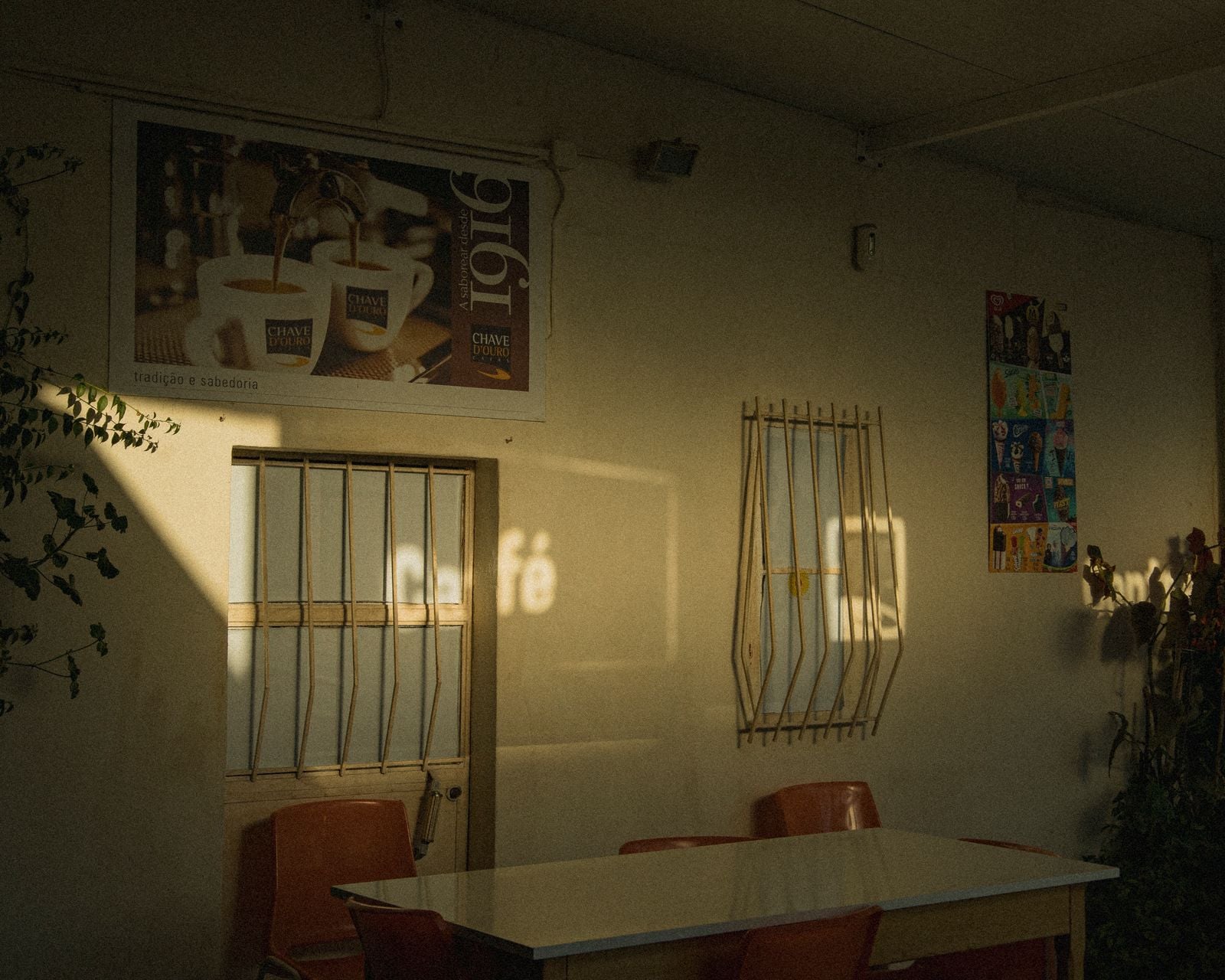
Photo by joao Guerreiro on Pexels
This is the ritual that's hardest to explain to anyone under forty. There's no output. There's no optimisation. It's the deliberate creation of a buffer between the day's demands and sleep, and research on decompression and evening recovery consistently finds that this kind of transition ritual matters more for sleep quality than the actual hour someone gets into bed.
What these rituals have in common
None of them are about discipline. They're about subtraction.
The decade many people spent adding things, such as supplements, classes, side projects, and optimisation routines, often gives way to a decade of taking things away. Less light. Less alcohol. Less email. Less stimulation in the last three hours of the day.
The conventional wisdom says ageing is when people have to give things up. The lived experience says ageing is when many people finally realise they wanted to give them up years ago and were just performing energy they didn't actually have.
There's an honest counterargument worth taking seriously. Some of this is privilege. The dishes-as-cutoff only works if the job allows it. The early dinner only works if no one's still in afterschool pickup. The walk after dinner only works if the neighbourhood is walkable and safe. Not everyone in their fifties has access to the architecture these rituals require, and pretending otherwise turns a class observation into a moral lesson.
But within that constraint, the pattern is real. People who reach their fifties with any kind of agency over their evenings tend to use it in the same direction. Quieter, dimmer, earlier, slower.
What the under-forties keep missing
The younger framing of evening rituals is usually about adding things. A skincare routine. A gratitude journal. A breathwork app. A guided meditation. Something to track, something to optimise, something to post.
The fifties version goes the other way. The ritual is what's left after everything that was costing sleep, focus, or self-respect has been removed. The research on habits that actually last points in the same direction: durable behaviour change tends to come from making the desired action easier and the undesired action structurally harder, not from heroic willpower.
By the fifties, many people have usually run the experiment on themselves enough times to know which side of that equation they're on. The phone in the other room isn't discipline. It's just removing the option.
The quiet part
The thing nobody says about these rituals is that they're rarely shared. Nobody in their fifties is posting about turning off the kitchen lights at eight. There's no hashtag for the after-dinner walk in February. The shutdown sequence happens in a house with the curtains already drawn.
This is part of why the shift goes unnoticed. A generation that grew up on dinner at six and the phone on the wall is now quietly reconstructing some version of that for themselves, without nostalgia and without announcing it. In that sense, they may be the last living archive of what undivided attention used to feel like, and the evening rituals are where the archive gets quietly maintained.
The water before the wine. The lamp instead of the overhead. The dishes as the edge of the working day. None of it is a movement. None of it is a brand.
It's just what people do when they finally stop confusing stimulation with living.