The most expensive ingredient in cultivated meat isn't the cell line or the bioreactor — it's a protein called albumin, and a Tufts spinout thinks canola oil waste is the fix
Tufts spinout Deco Labs is turning canola oil byproduct into a plant-based replacement for albumin, the single most expensive ingredient in cultivated meat production.
The most expensive ingredient in cultivated meat doesn't come from a cow. It comes from cows — specifically, a protein called albumin that's been the industry's biggest cost bottleneck for years. A Tufts University spinout thinks the fix is sitting in canola oil factories.
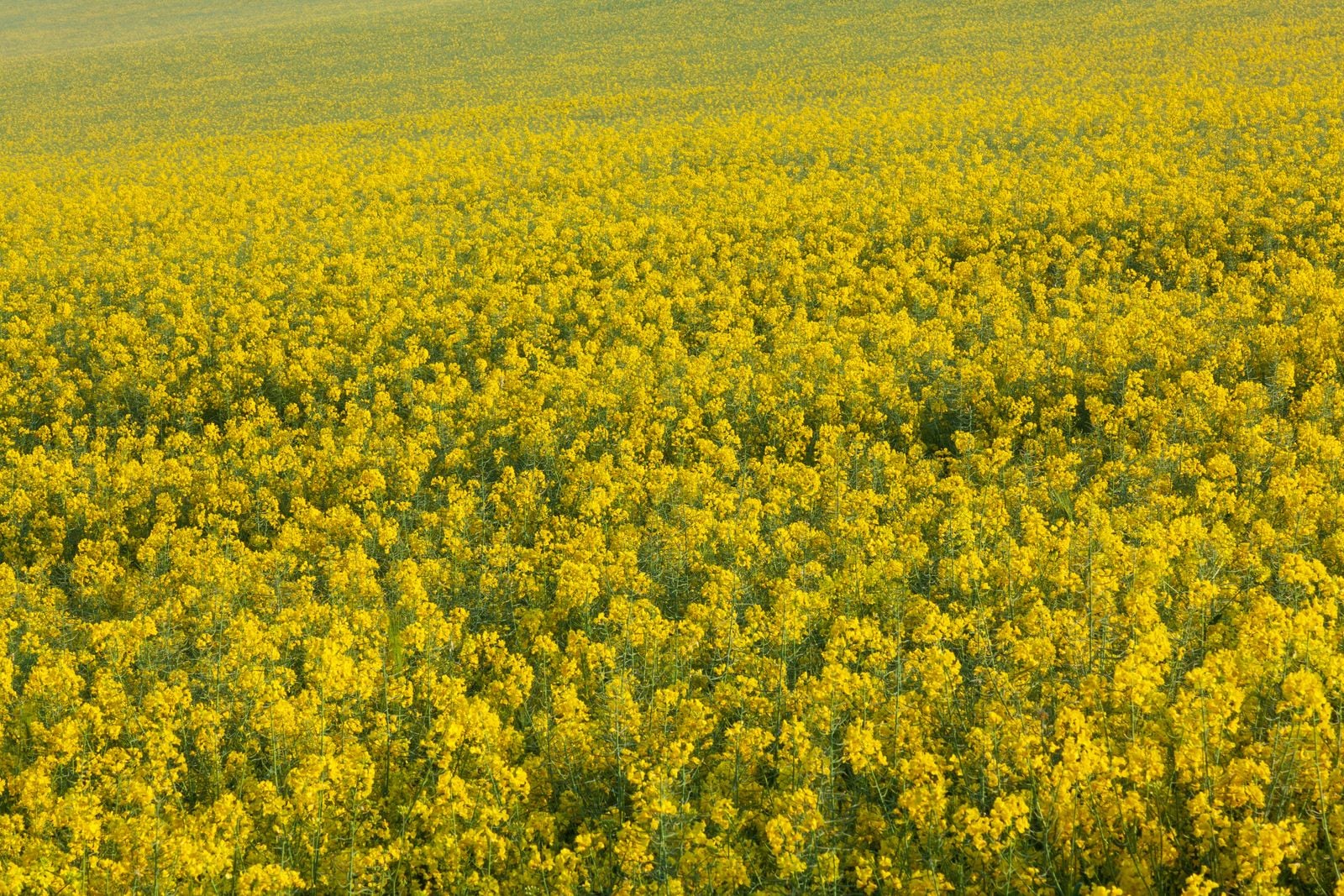
Deco Labs, a startup that emerged from Tufts, has developed a plant-based replacement for albumin made from rapeseed meal — the byproduct left over after canola oil is pressed. According to Green Queen, the company's ingredient, cAlbumin, costs roughly $0.02 per litre of cell culture media at scale, compared with conventional albumin solutions that add close to $100 per kg to production costs.
That gap matters because culture media — the nutrient mix that feeds animal cells as they grow — accounts for the majority of cultivated meat's price tag. And albumin, the most abundant protein in animal serum, is the single most expensive piece of that puzzle.
The conventional wisdom in cultivated meat has been that scale alone will bring costs down. Build bigger bioreactors, run more batches, and the math eventually works. What that framing misses is that some inputs simply don't exist at the volume the industry needs.
A Good Food Institute analysis estimates the sector could need up to 10,000 tonnes of albumin annually by 2030. That supply doesn't currently exist. Bovine serum albumin is animal-derived and notoriously inconsistent between batches. Recombinant versions cost more and perform worse. Cells grown without albumin entirely don't proliferate well at scale.
According to the company, there is a significant need for albumin solutions that are animal-free, cost-effective, and scalable for cultivated meat production.
The company has validated cAlbumin across more than a dozen cell types — including beef, pork, chicken, mackerel and mouse lines — and it consistently outperforms both recombinant albumin and bovine serum albumin. Every batch is tested for stable growth across 10 or more cell doublings before shipping.
The startup isn't stopping at albumin. It's also developing cAminos, an amino acid supplement made from plant hydrolysates that can currently displace around 15% of basal media volume, and pFactor1, a plant-derived replacement for fibroblast growth factor 2 that performs at 111% of FGF-2 in the company's internal bovine stem cell line.
This connects to something we've been investigating on our YouTube channel — precision fermentation isn't just about making proteins cheaper, it's unlocking entirely new nutritional profiles that were impossible with traditional animal agriculture, like the mycoprotein we explored.
The funding picture is modest so far — a research grant from GFI, a pitch competition prize from Supply Change Capital, and a seed round being led by Replicator VC to fund pilot scale-up and a GRAS filing for cAlbumin.
The broader point here is about where cost breakthroughs actually come from. Cultivated meat has spent a decade chasing price parity through engineering — bigger tanks, better cell lines, optimised processes. Deco's bet is that the cheapest path runs through agricultural waste streams the food system already produces in massive quantities.
Rapeseed meal is currently fed to livestock. Redirecting a slice of it into cell culture media is the kind of unglamorous supply-chain rerouting that rarely makes headlines but tends to decide which technologies actually reach grocery shelves. If the numbers hold up at pilot scale, the most expensive ingredient in cultivated meat may turn out to be the easiest one to replace.
Edited by the VegOut Editorial Team. Read our editorial standards · Masthead.