Kraft Heinz paused its breakup after a decade of decline - and that retreat says even more about the pressure reshaping the center of the grocery store
Kraft Heinz is splitting into two publicly traded companies a decade after the Buffett-backed merger, separating its sauces and seasonings business from its North American grocery brands in a bid to reverse years of falling sales.
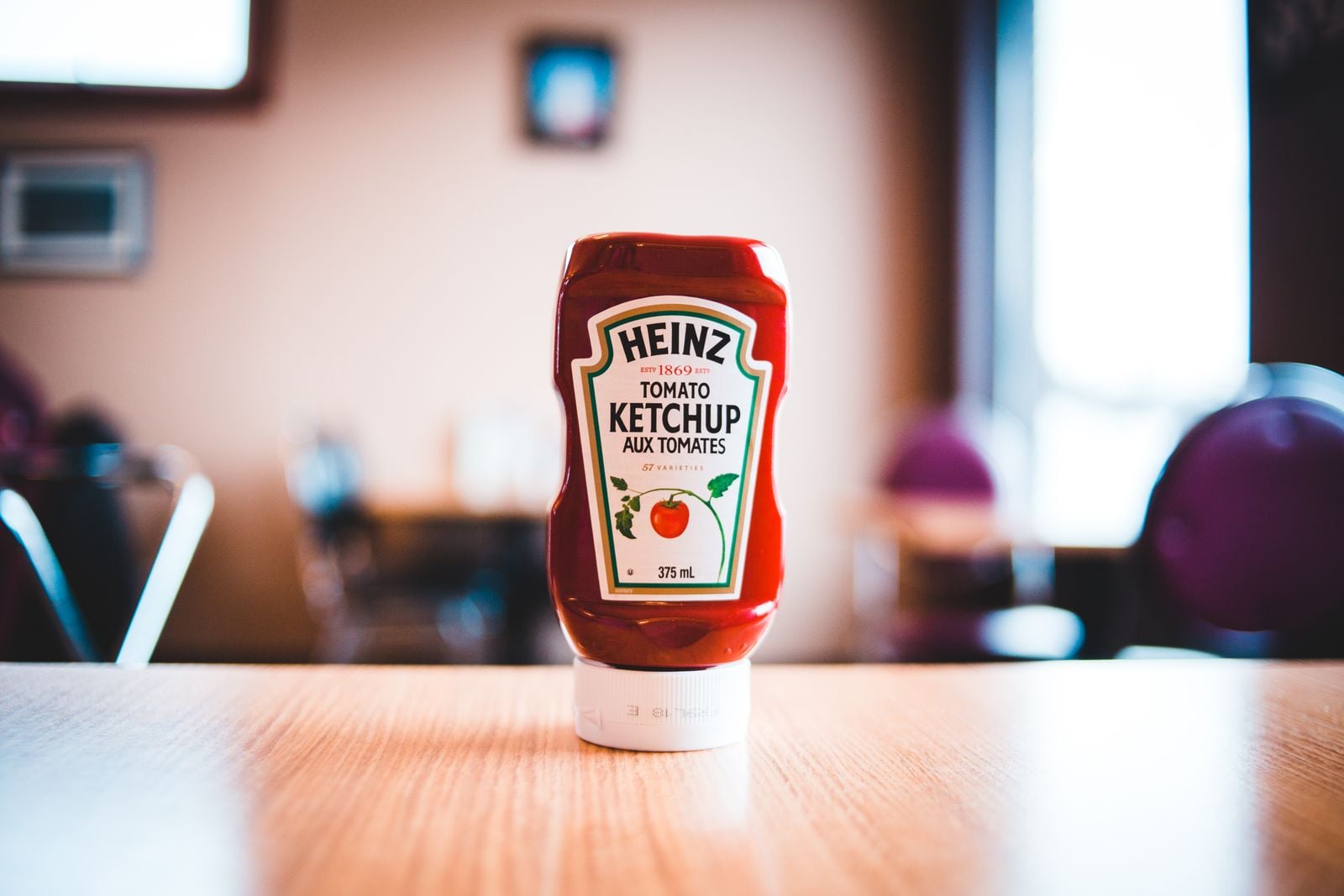
Kraft Heinz is no longer racing toward the breakup it announced last year.
The packaged food giant behind Heinz ketchup, Philadelphia cream cheese, Kraft Mac & Cheese, Oscar Mayer and Lunchables had planned to split itself into two publicly traded companies after a decade of disappointing performance following the 2015 merger engineered by Warren Buffett and 3G Capital.
In September 2025, Kraft Heinz announced that it would split into two companies. One would focus on sauces, spreads and seasonings, keeping brands such as Heinz Ketchup, Philadelphia cream cheese and Kraft Mac & Cheese. The other would hold grocery staples including Oscar Mayer, Kraft Singles and Lunchables.
That plan has since become less straightforward. Kraft Heinz's new CEO, Steve Cahillane, said the company was hitting pause on the planned breakup while it tries to reinvest in the business and rebuild some of the capabilities lost during years of aggressive cost-cutting.
That shift matters because the original breakup already said something uncomfortable about the company. The 2015 merger was supposed to create a packaged-food powerhouse with scale, efficiency and iconic brands. Instead, Kraft Heinz spent much of the following decade struggling with slow growth, changing consumer habits and a stock price that never recovered the story investors were once sold.
The pause does not erase those pressures. It makes them harder to ignore.
Kraft Heinz is still facing the same basic question: what happens when some of the most familiar brands in the American grocery aisle no longer feel as culturally secure as they once did?
This connects to something we've been tracking closely: while legacy food companies have struggled, the same conglomerates have quietly been buying up organic and "better-for-you" brands to capture that consumer migration. We actually investigated how deep that takeover goes in a video on corporate control of the organic movement. The findings show just how thoroughly Big Food has infiltrated the very space that was supposed to disrupt it.
The deeper story is what keeps pushing legacy food companies into defensive maneuvers in the first place. Shoppers are more willing to compare national brands with private-label alternatives. They are also more alert to ingredients, processing, price and the values a brand seems to signal.
That pressure is especially visible in the center of the grocery store, where many of Kraft Heinz's most famous products live. A Washington Post report on the split noted that shoppers have become more price-conscious, are turning more often to private-label brands and are also leaning into less processed options.
Lunchables, processed cheese, packaged meats and boxed meals still have enormous recognition. But recognition is not the same as momentum.
For years, the logic of Big Food was that scale could protect the old model. Bigger portfolios could absorb shocks, reduce costs and dominate shelf space. But the Kraft Heinz story shows the limits of that thinking when consumer trust, health perception and price sensitivity all start moving at once.
A paused breakup does not solve those tensions. It simply changes the form of the test.
Now Kraft Heinz has to convince investors that it can revive growth without splitting the company into cleaner narratives. It has to make legacy grocery feel investable again. And it has to do that while smaller, fresher, more agile brands keep finding ways to speak to shoppers who feel less attached to the old packaged-food giants.
For the plant-based and better-for-you space, that is the signal worth watching. The story is not just whether Heinz ketchup survives. It almost certainly does. The bigger question is whether the categories around it can hold their place as eaters keep drifting toward products that feel less processed, more intentional, or simply more in line with how they want to shop now.
Edited by the VegOut Editorial Team. Read our editorial standards · Masthead.