JBS, the world's largest meatpacker, is closing several U.S. plants and cutting jobs as part of a manufacturing restructuring that lands in the middle of a turbulent year for the American beef industry, according to Food Dive. The reshuffle affects beef facilities and Pilgrim's-branded poultry operations, with the company framing the moves as a way to optimize its U.S. footprint.
The conventional read on a closure announcement from a meat giant is that it reflects pure market response — herds are smaller, costs are higher, margins are thinner, so plants idle. That framing isn't wrong, exactly, but it's incomplete. The bigger picture is an industry under federal scrutiny, with cattle ranchers, grocers, food distributors and even McDonald's accusing the four companies that control the vast majority of U.S. beef processing of using capacity decisions to manipulate prices.
JBS told Food Dive the closures are part of efforts to align production with demand and improve efficiency across its network. Affected workers will be offered roles at other company facilities where possible. The company has not disputed that consolidation will concentrate slaughter and processing into fewer, larger sites.
The announcement follows a closure by competitor Tyson Foods at its Lexington, Nebraska beef plant, which eliminated thousands of jobs. The Guardian reported that Tyson cited a smaller national herd and projected losses, but critics argued the math didn't add up at a moment of record beef prices and rising consumer demand. A class action alleges the so-called Big Four — JBS, Tyson, Cargill and National Beef — have coordinated production cuts to depress cattle prices while keeping wholesale beef prices high.
JBS has denied any wrongdoing in the antitrust litigation. The company has also been dealing with labor unrest at its largest U.S. facility. In March, thousands of workers at the JBS-owned Swift Beef plant in Greeley, Colorado walked out in the first strike at a U.S. beef slaughterhouse since 1985. Union officials cited low annual wage offers, retaliation claims, and charges that workers were billed to offset the company's PPE costs. JBS denied the labor law allegations.
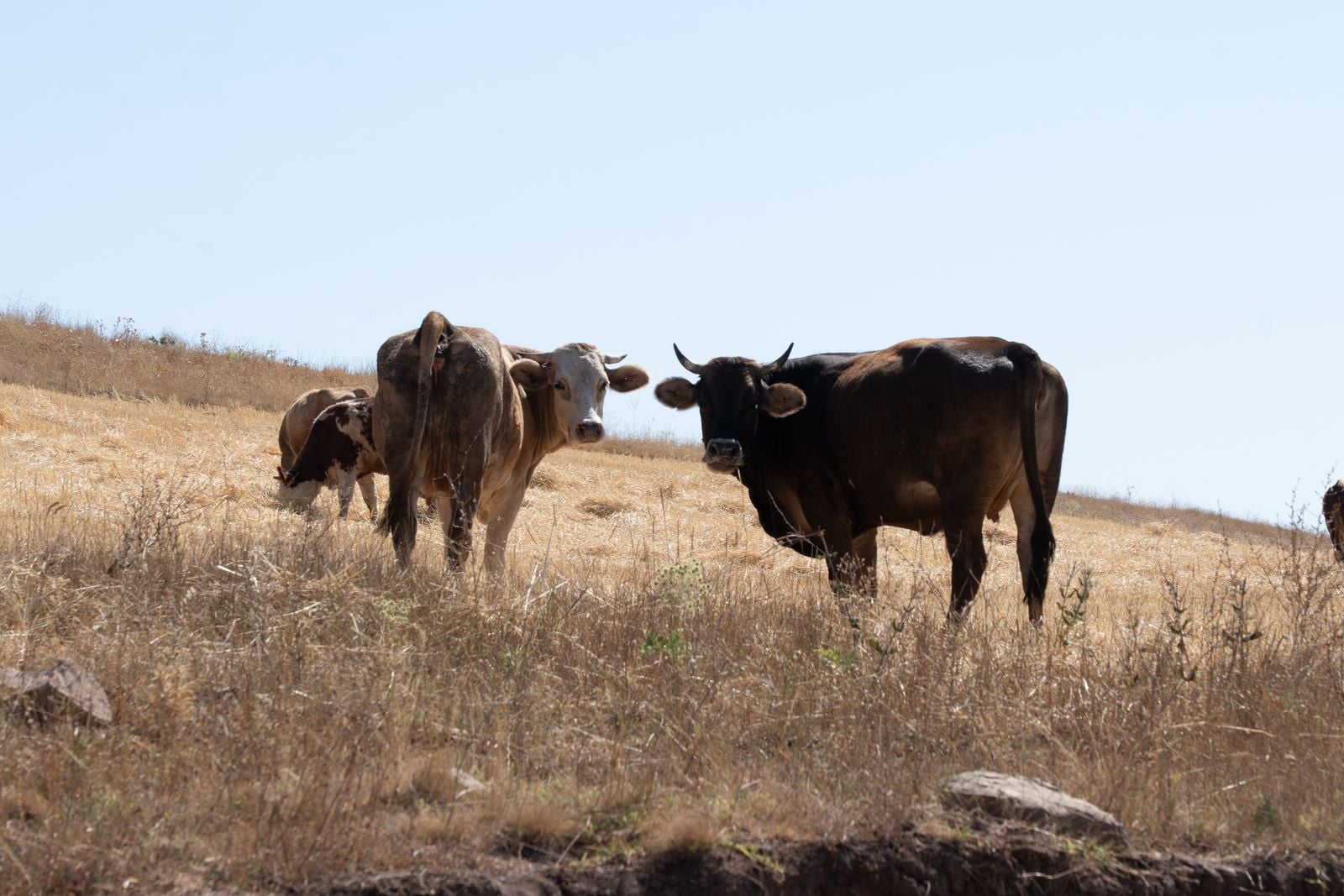
The structural backdrop matters. U.S. cattle inventory sits at a decades-long low, driven by drought and years of low prices paid to ranchers. Ground chuck prices have more than doubled over two decades. The Trump administration has directed the Department of Justice to investigate beef pricing and pursued a trade deal with Argentina to bring import volumes up.
This connects to something we've been investigating on our YouTube channel — the way corporate consolidation across food industries operates under the guise of efficiency or quality standards while fundamentally reshaping who controls what we eat. Our video on organic food certification reveals a similar pattern: a few powerful players capturing regulatory systems and market share while consumers believe they're participating in a decentralized, transparent alternative.
For readers tracking the plant-based and sustainability space, the JBS reshuffle is a useful data point on how concentrated the conventional protein supply chain really is. When a small number of companies control the vast majority of beef processing, the decisions of a single executive team ripple through grocery prices, rancher livelihoods, rural economies and meatpacking towns simultaneously. It's the kind of fragility that has quietly accelerated investment in alternative proteins and diversified supply — not because consumers are abandoning beef, but because the system producing it keeps showing its seams. Whoever eats what, fewer chokepoints in the food system tends to be a good thing.