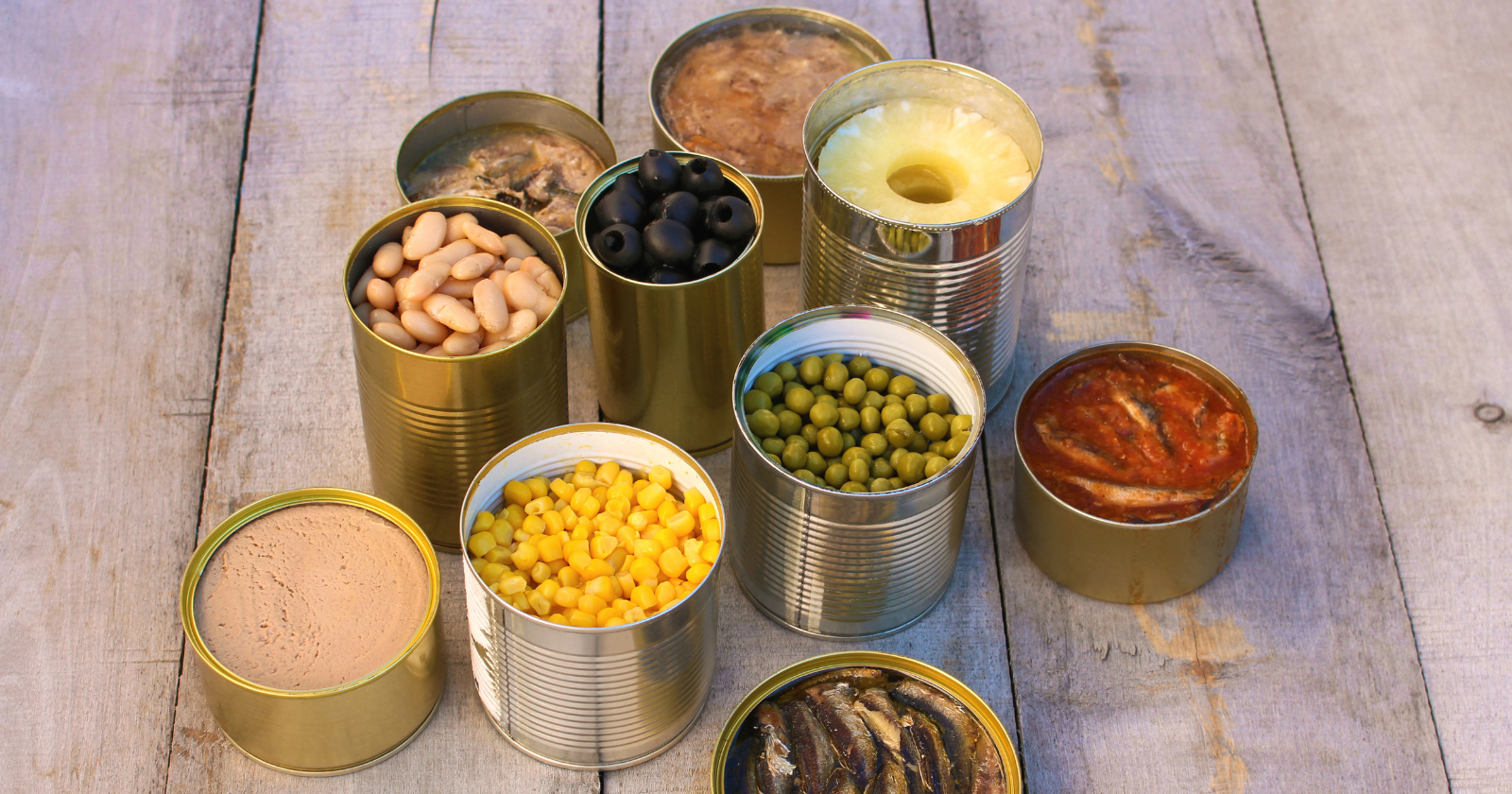
Research on food preservatives has found associations between high consumption of common additives and higher rates of high blood pressure and cardiovascular disease. A large French study published in the European Heart Journal names eight specific additives by their E-numbers and raises questions about whether these ingredients are as safe as currently assumed.
The conventional wisdom on food preservatives has been straightforward for decades: they extend shelf life, prevent spoilage, and have passed regulatory review, so the population-level health impact is negligible. This study complicates that story.
The study suggests that the people eating the most preservatives are getting sick at higher rates than the people eating the least — and that the difference is large enough to take seriously.
What the study actually found
The research was conducted as part of the NutriNet-Santé cohort, which analyzed the dietary intake of 112,395 participants in France from 2009 to 2024. That methodology matters. Most additive research relies on animal models or short-term human exposure. This approach watches real people eat real food across extended periods, using repeated 24-hour dietary records and detailed assessments of the ingredients in those foods.
Participants in the top tier of non-antioxidant preservative consumption showed a 29% greater risk of developing hypertension than those in the lowest tier. Cardiovascular disease risk — heart attack, stroke, angina — was also elevated by 16% in the same group. People with the highest intake of antioxidant preservatives showed a 22% greater risk of hypertension.
Preservatives are pervasive in the modern food supply. Within the first two years of the study, 99.5% of participants had consumed at least one food preservative.
The eight additives named
The preservatives associated with elevated blood pressure risk read like a tour of any supermarket ingredient label: potassium sorbate (E202), potassium metabisulphite (E224), sodium nitrite (E250), ascorbic acid (E300), sodium ascorbate (E301), sodium erythorbate (E316), citric acid (E330), and extracts of rosemary (E392).
A few of those names will surprise people. Ascorbic acid is vitamin C. Citric acid sounds like something you'd squeeze out of a lemon. Rosemary extract is, technically, rosemary. The instinct is to assume natural-sounding means benign.
The researchers are careful here. The issue is not the molecule in its food-derived form — it is the concentrated, isolated, industrially applied version showing up across hundreds of products in a single day's eating. Among the eight, ascorbic acid (E300) was the one also specifically linked to cardiovascular disease, not just hypertension.
Sodium nitrite, used to cure processed meats, has been on health researchers' watchlist for years. Its inclusion is less surprising than the appearance of additives long considered uncontroversial.
Why this matters beyond the headline
Food preservatives are used in hundreds of thousands of industrially processed foods. As the study's authors note, experimental studies suggest some of these additives may have adverse cardiovascular effects, yet human data have been lacking.
That gap — between what lab studies hint at and what regulators require before approving an ingredient — is the real story. Most additives get a green light based on toxicology data showing they don't kill people in the short term. Long-term, low-dose, cumulative exposure across an entire diet is harder to study and rarely required.
These results suggest a need for re-evaluation of the risks and benefits of these food additives by the authorities in charge, such as the EFSA in Europe and the FDA in the USA, for better consumer protection.
Whether that re-evaluation actually happens is a separate question. Regulatory bodies move slowly, and the food industry's economic dependence on preservatives is total. Removing sodium nitrite from processed meat or potassium sorbate from baked goods would force a reformulation of significant portions of the packaged food supply.
The counterargument worth taking seriously
Observational studies cannot establish causation. People who eat the most preservatives are also, on average, eating the most ultra-processed food — which means more sodium, more refined carbohydrates, less fiber, fewer vegetables, and often a different overall lifestyle pattern than people eating mostly whole foods.
The researchers controlled for many of these variables, including total energy intake, sodium, saturated fat, and ultra-processed food consumption. The associations held. But it remains plausible that the preservatives are a marker for a dietary pattern rather than the active culprit.
This is the honest read: the additives may be doing real damage, or they may be the most visible signature of a way of eating that is doing the damage. Either way, the practical advice from the researchers points in the same direction.
What to actually do with this information
These findings support existing recommendations to favor non-processed and minimally processed foods, and avoid unnecessary additives.
That's the punchline, and it isn't new. It's the same advice cardiologists, nutritionists, and grandmothers have offered for a generation. What this study adds is specificity — a list of named compounds and a quantified risk that gives the advice teeth.
For the curiously conscious reader, the takeaway is not panic or pantry-purging. It's a useful prompt to look at the ratio. If most of what you eat in a week comes with an ingredient list longer than a paragraph, that's the pattern worth shifting. If most of it doesn't, an occasional preserved item is not the thing that's going to break your cardiovascular system.
Diet is one variable among many. VegOut has previously explored how social connection rivals diet and exercise as a predictor of long-term health. Food matters. It is not the only thing that matters.
What happens next
Expect industry pushback. Trade associations representing food manufacturers have historically responded to studies like this by pointing to the limits of observational data and the regulatory approvals already in place. Expect, also, a slow institutional response from EFSA and FDA — both agencies have processes for reviewing additive safety, but they rarely move quickly without sustained pressure.
The more interesting near-term shift may come from food brands themselves. Clean-label reformulation has been a growing trend for a decade, driven less by regulation than by consumer demand. A study naming eight specific E-numbers gives that demand a sharper edge. Expect at least a few brands to start advertising what their products don't contain.
For everyone else, the next grocery run is the experiment. Read a few labels. Notice how often these eight names appear. The point isn't to memorize a list — it's to see the system that produces the food you eat, and decide how much of it you want on your plate.