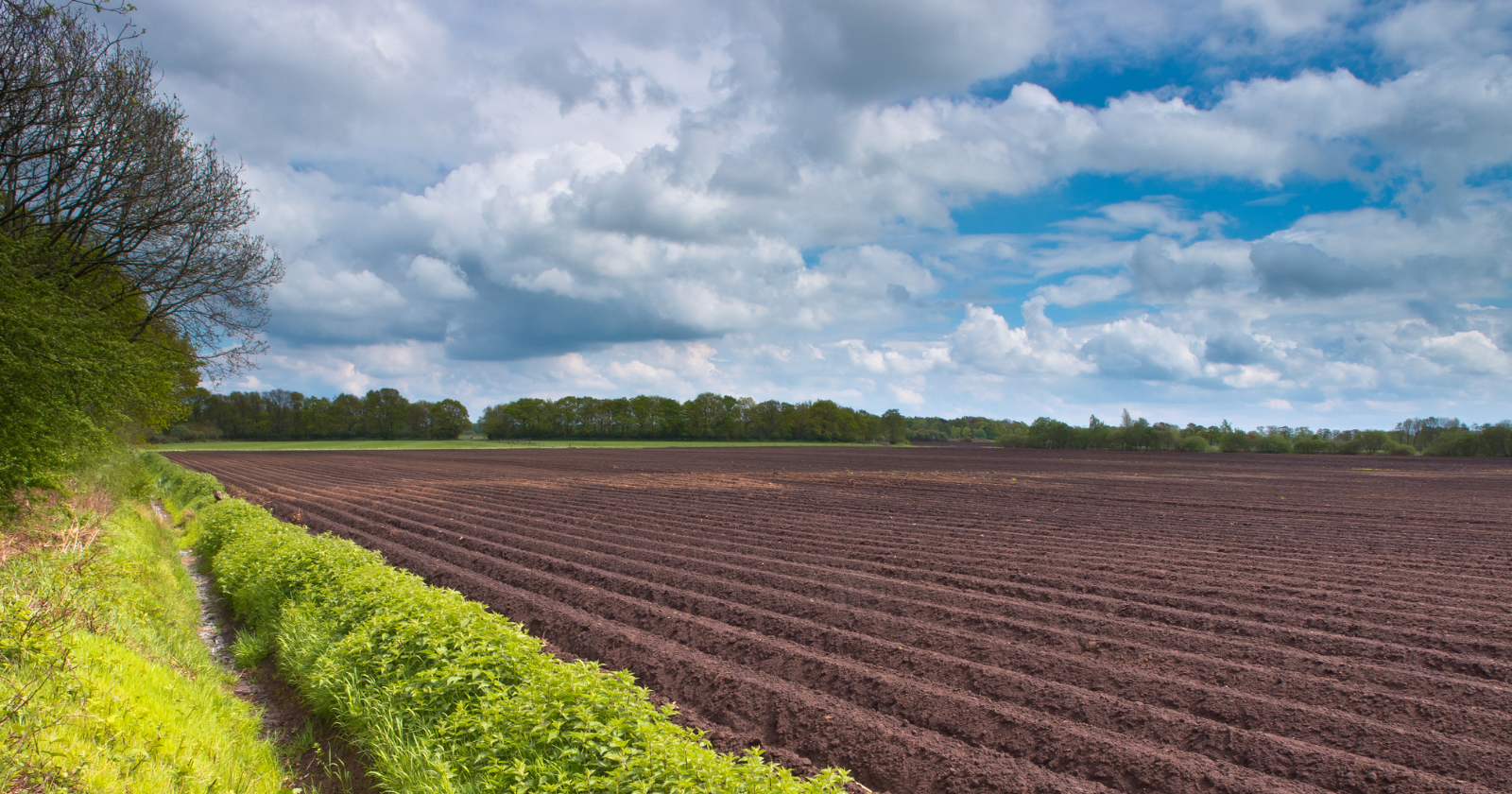
Georgia is on track to lose roughly 800,000 acres of farmland by 2040 — about 10 percent of its agricultural land — and the state's response so far is a $2 million conservation fund in its first year of operation. The math, on its face, is daunting. As reported by Grist, the Georgia Farmland Conservation Fund opened its first application window in February and closed it in May, with farmers across the state competing for a slice of money intended to keep their land out of the hands of housing developers, warehouse builders, and data center operators. Applicants find out in August whether they've been selected.
The conventional read on Georgia's economy is that growth is the win. State leaders routinely call it the number one state to do business. What that framing leaves out is that agribusiness is already the number one industry in Georgia — and the development boom celebrated in press releases is steadily eating it. Russ Moon, a fourth-generation farmer in Madison County who grows corn, soybeans, and strawberries and raises cattle, put the tension plainly: the whole time the state keeps being the number one place to do business, he says, it's hurting its number one industry.
The mechanism the state is betting on is a conservation easement. A landowner sells the future development rights on their property to a land trust or government partner, gets an upfront payment, and keeps farming. They can sell the land later — just not to anyone who wants to pave it. Half of the payment comes from state funds; the rest is matched by land trusts, local governments, or the U.S. Department of Agriculture, which puts up around $450 million a year to match state conservation dollars.
Georgia's program, passed in 2023 and funded in 2024, joins roughly 30 state-level easement programs around the country. Funding levels vary wildly. Texas, like Georgia, sets aside about $2 million a year. Florida allocated $300 million in 2022 and another $100 million in 2024 — orders of magnitude more. Against the scale of land at risk, $2 million in Georgia buys a fraction of what it would need to.
The pressure on farmers to sell is real and quantifiable. A 2025 report by Saunders Land found that transitional land in Georgia — property shifting from one use to another — sold for anywhere from just over $6,000 to more than $260,000 per acre this year. Easement payments typically come in well below outright sale prices, because the farmer is selling rights rather than the land. For a family choosing between a developer's check and a smaller easement payment, the financial logic of selling out is brutal.
Katherine Moore, president of the Georgia Conservancy, which advocated for the fund, told Grist the program gives landowners a third option beyond holding on or cashing out — a compelling alternative for farming families feeling financial pressure and fielding constant offers to sell. Moore also noted how striking it is that Georgia is only now establishing such a program, given that agribusiness is the state's single largest economic engine.
State agriculture commissioner Tyler Harper described the projected losses as staggering, noting that 10 percent of the state's farmland could be gone within roughly 15 years. Moon, who already placed part of his farm into an easement with a land trust in 2019, made a related point: once a piece of property is developed, it never goes back. Lose the farmland, he said, and it's gone for good.
The climate piece often gets buried in farmland debates, but it matters. According to the American Farmland Trust, converting farmland to housing or industrial use tends to release carbon stored in topsoil and replaces a relatively low-emission land use with higher-emission ones. Easements, by contrast, can encourage soil-building practices and often protect adjacent woods and wetlands as part of the deal.
The harder question is whether a $2 million program can meaningfully change the trajectory of a state losing farmland at this pace. It probably can't, at this funding level. What it can do is establish the legal and administrative infrastructure — the advisory council, the match-funding pipeline to USDA dollars, the appraisal process — that a larger program could later scale into. Florida's nine-figure commitments did not appear overnight either.
Farmland loss is also a water story, a food security story, and a regional planning story all at once — the kind of issue where the headline number rarely captures where the pressure is actually coming from. VegOut has covered similar dynamics in how Western water gets allocated. In Georgia, the comparable question is who profits when farmland becomes a warehouse, and who absorbs the cost when the topsoil is gone.
For the curiously conscious reader, the easement model is worth understanding because it sidesteps the usual binary of protecting all land versus developing all land. It lets a working farm stay a working farm, pays the farmer something for refusing the developer's offer, and locks in that choice for future owners. Whether Georgia funds it at a level that actually slows the loss — or treats it as a symbolic gesture next to the warehouses going up along I-85 — is the part still being written.